MyAmaCruise

Released Oct 2017 — full fleet

An independent analysis of six guest-facing river cruise mobile apps — pulled apart piece by piece to document the tools, features, and architectural decisions shaping the category.
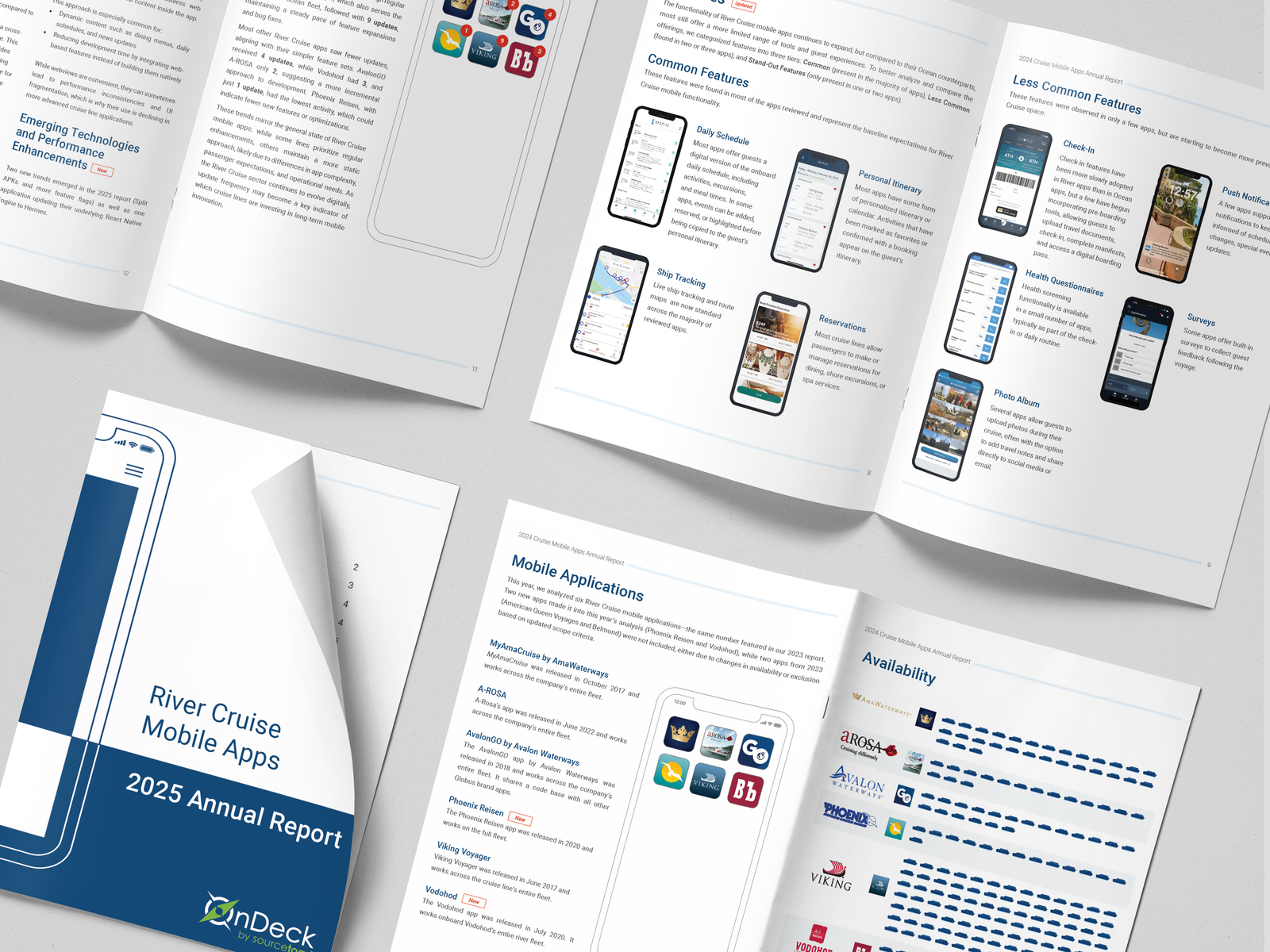
This year's River Cruises App Report builds on what we started in 2023, when we described the River app space as the Wild West. In 2025, things feel more settled. The overall quality, stability, and technical maturity have improved, and we're starting to see a more consistent baseline take shape.
The gap between River and Ocean apps is beginning to narrow. That said, River apps are still different in ways that matter — the companies behind them are structured differently, their operational needs are simpler, and their passengers have different expectations.
This report looks at the six primary guest-facing mobile apps used across major River cruise fleets as of early 2025. We've pulled each app apart, documented the tools used, and tracked which cruise lines are investing in their platforms and which ones are standing still.
Fewer glaring security issues. More development teams are using crash reporting tools.
More cruise lines adopting cloud-based middleware to bridge apps and shipboard systems.
Early signs of AI and personalization in the code, even if features haven't surfaced to users yet.
Feature sets remain limited. Accessibility support is often nonexistent, and guest messaging is rare.
We focused exclusively on mobile apps designed for river cruise passengers that met all of the following criteria:
The main mobile app used by passengers while onboard, not supplemental entertainment apps.
Used on at least two ships within a river cruise fleet.
Available in both major app stores. Web-based Progressive Web Apps were excluded unless they met all other criteria.
All apps were released and tested before the analysis cutoff date.
Apps downloaded onto a Samsung S13. Sideloading via APK Tools for region-restricted apps.
APKs pulled from device, ensuring correct architectural, density, and language splits for English.
APKEditor used to merge split components into a unified APK when required.
Apktool disassembled APKs into constituent components for detailed inspection.
MobSF generated comprehensive security and functionality reports.
Araxis Merge compared Apktool output across old and new versions to identify changes.
VS Code used for manual review and diffing when previous versions were unavailable.
Split APK challenge. One of the most significant challenges this year was the increasing prevalence of Split APKs — applications broken into multiple files for specific devices. This requires recombination before analysis can begin, adding complexity and processing time to our workflow.
OnDeck has specialized in innovative guest-facing software for the cruise and ferry industry since 2010. Our mission is to increase the value of both the guest's and the crew's time by building automation, communication, and self-service systems.
Check-in, boarding passes, dining & spa booking.
In-cabin interactive TV, folio access, room service.
Fleet-wide digital signage, GPS & weather triggered.
Silent, workflow-based passenger messaging.
Shoreside sync, IoT, ship-to-shore middleware.
MXP, Otalio, Adobe AEM, OneSpaWorld, Twilio.
This year we analyzed the same number of apps as our 2023 report, but two new entrants (Phoenix Reisen and Vodohod) replaced two apps excluded based on updated scope criteria.







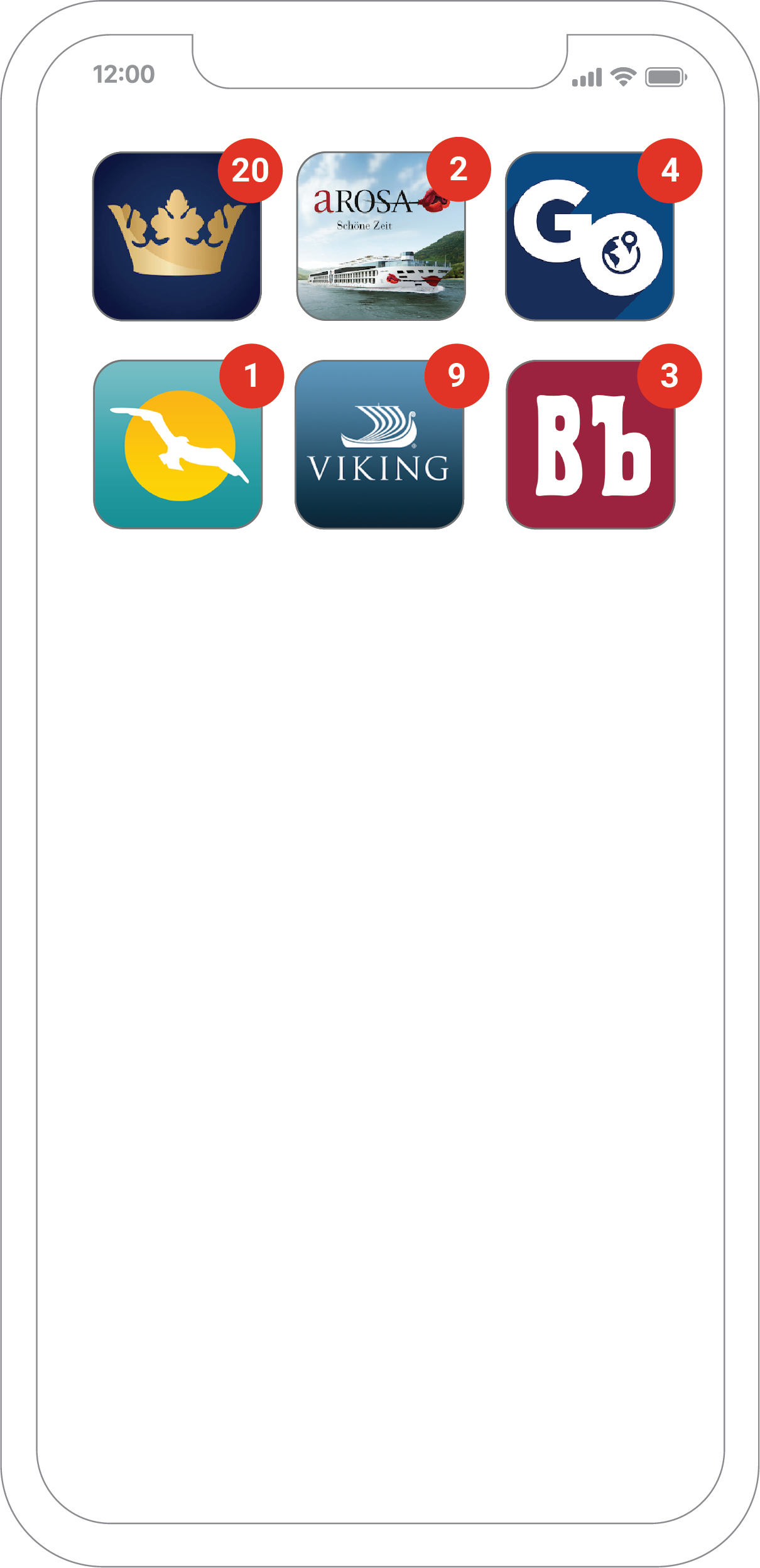
Update frequency varied significantly, reflecting different levels of investment. MyAmaCruise led with 20 updates — a strong signal of active development commitment.
River Cruise app functionality continues to expand, but compared to Ocean counterparts, most still offer a more limited range. Features were categorized into three tiers based on prevalence.
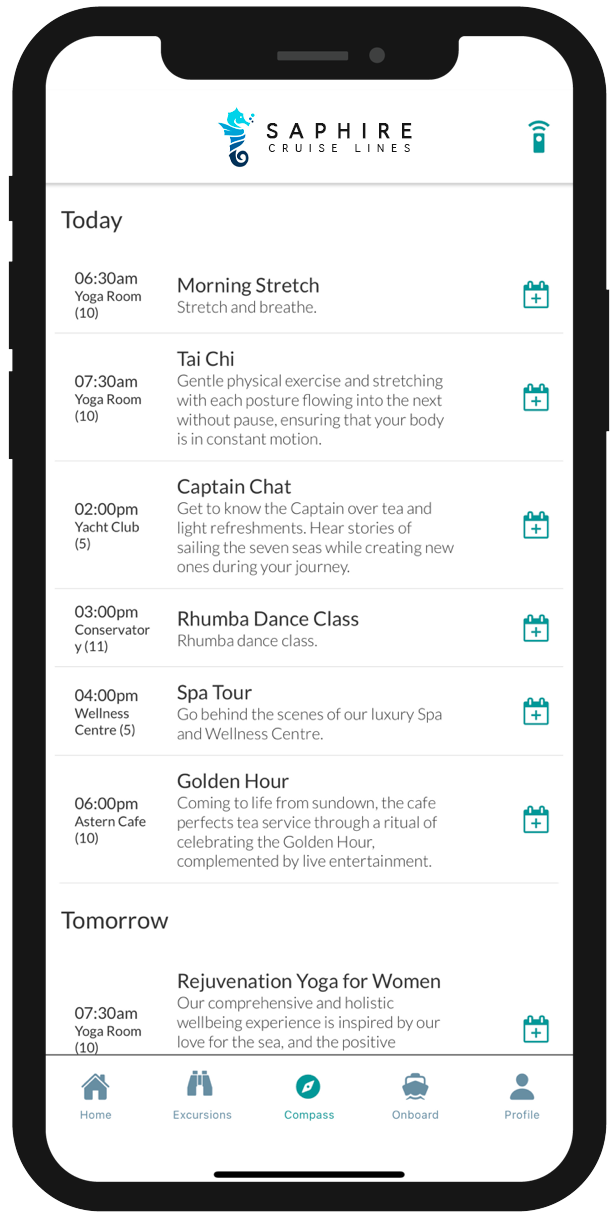
A digital version of the onboard daily schedule, including activities, excursions, and meal times.
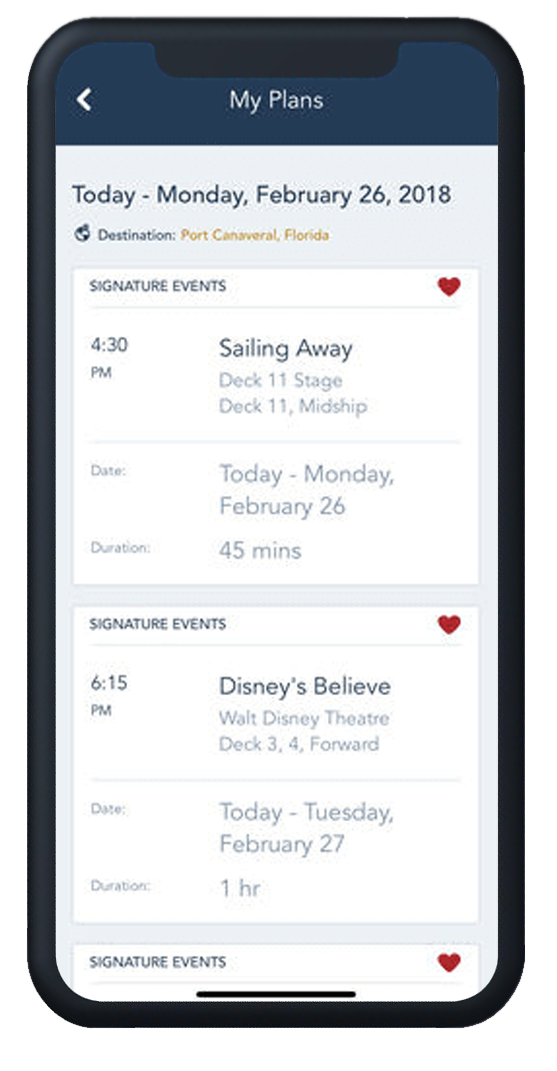
Personalized calendar showing bookings and favorites marked by the guest.
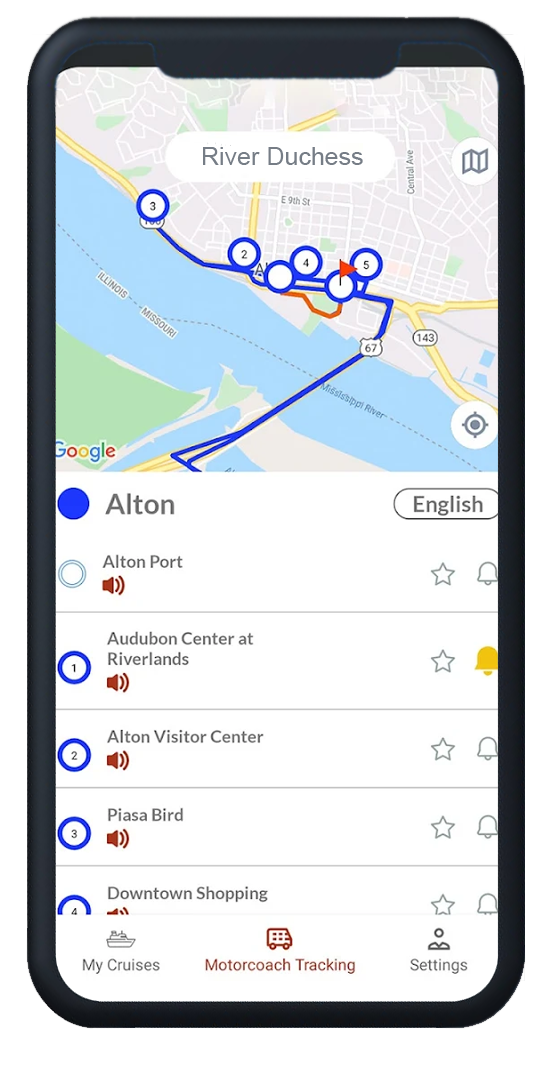
Live ship tracking and route maps are now standard across the majority of reviewed apps.
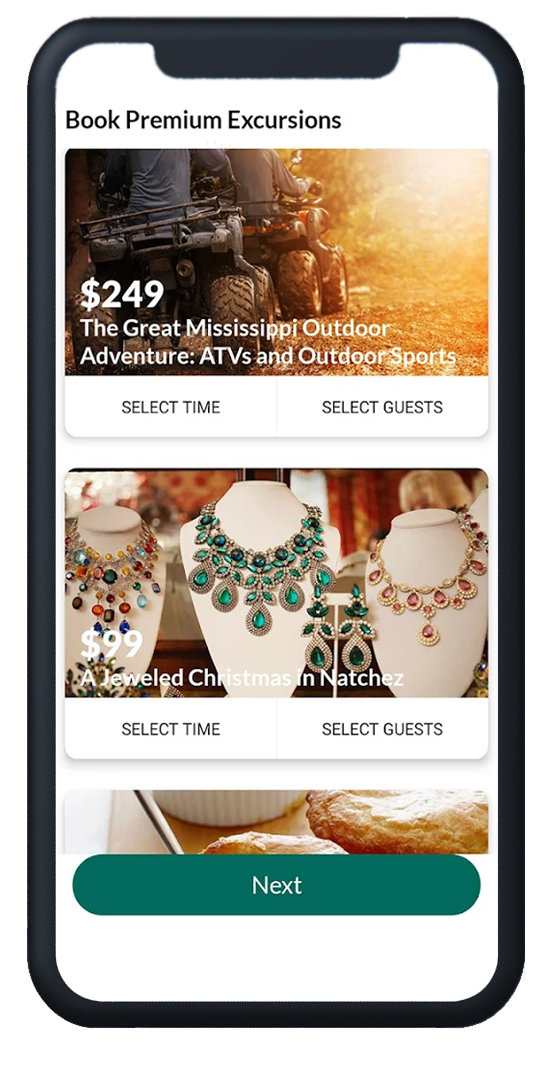
Make or manage reservations for dining, shore excursions, or spa services.
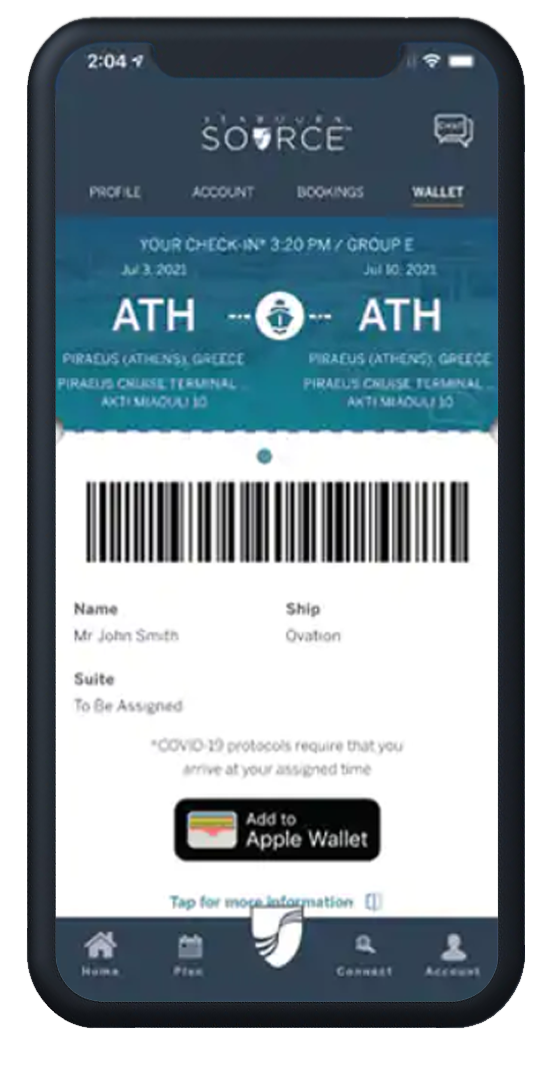
Pre-boarding tools: document upload, manifest completion, and digital boarding pass. Slower to adopt in River than Ocean.
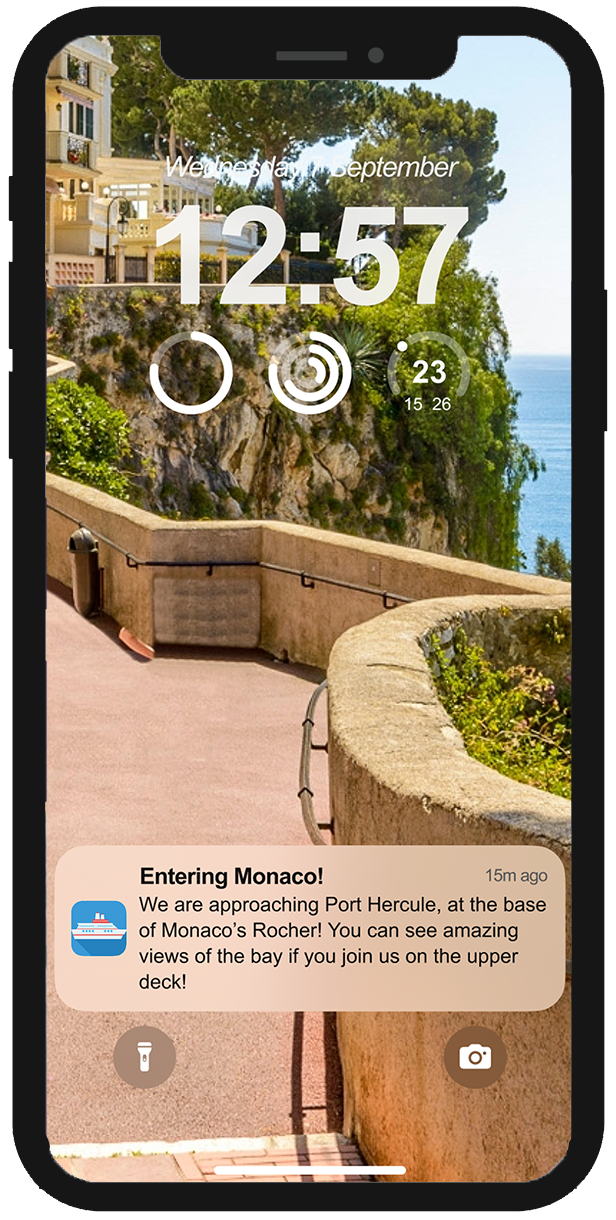
A few apps keep guests informed of schedule changes, special events, or updates via push.
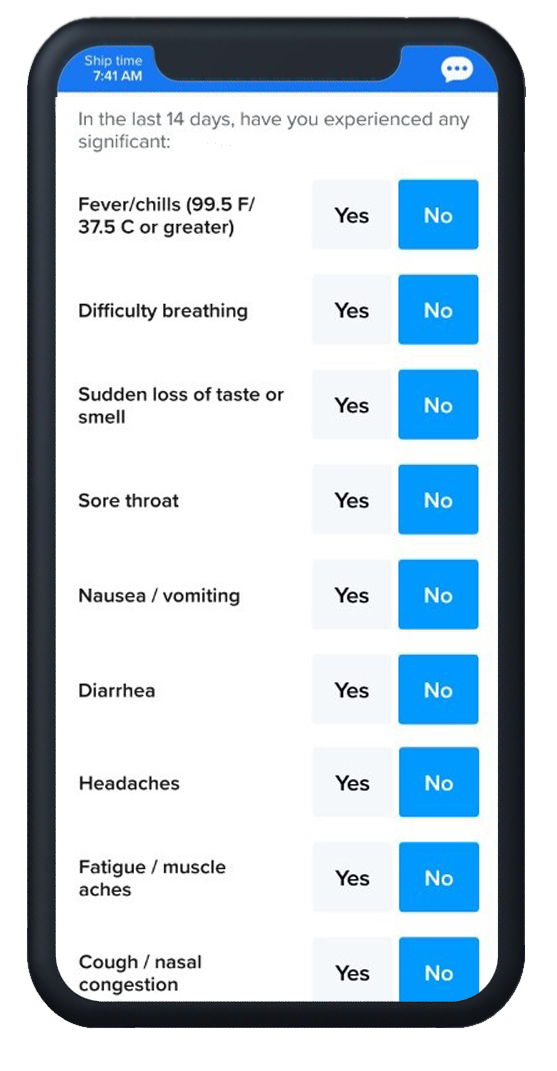
Health screening available in a small number of apps, typically as part of check-in.
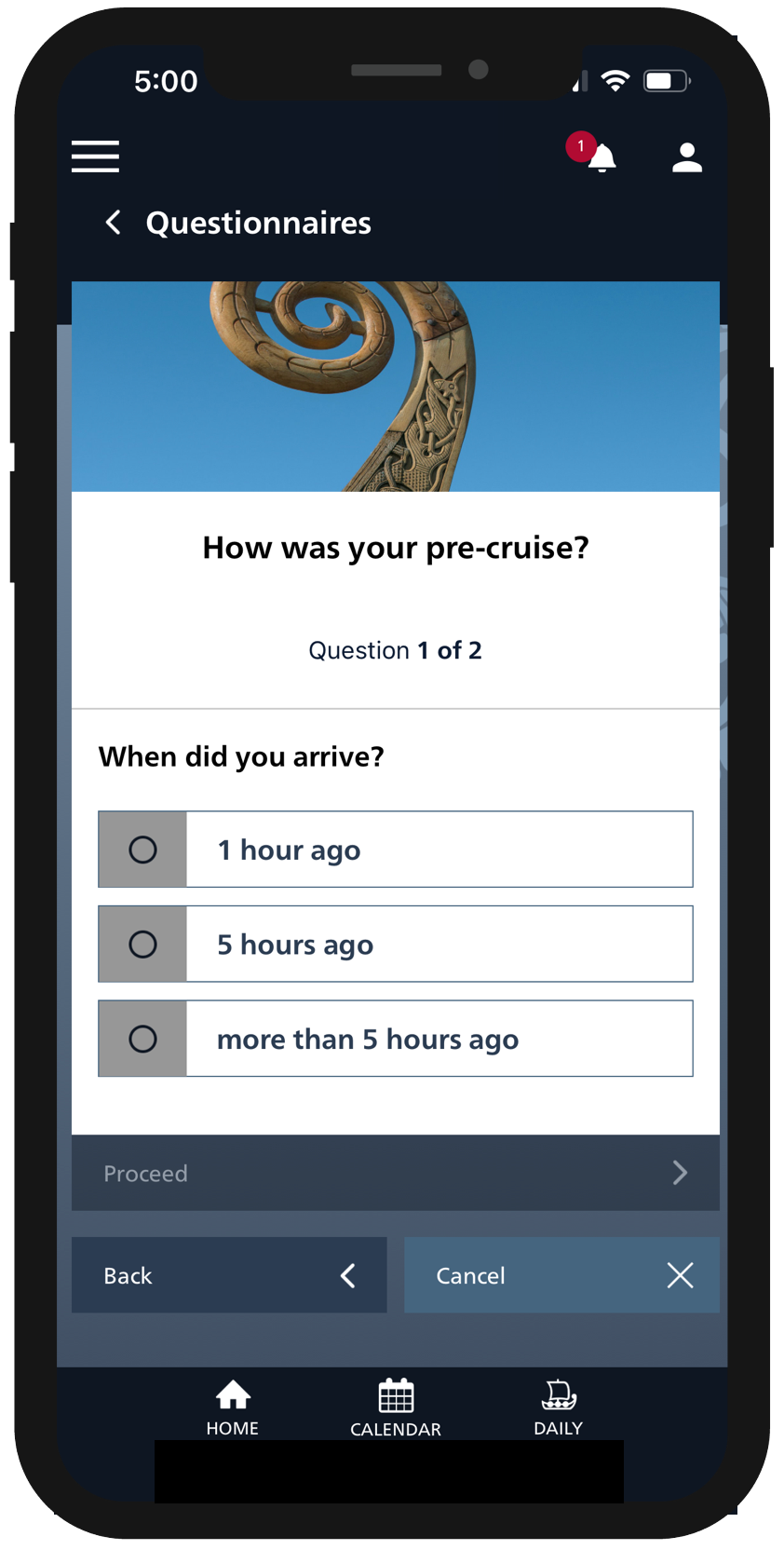
Built-in surveys to collect guest feedback following the voyage.
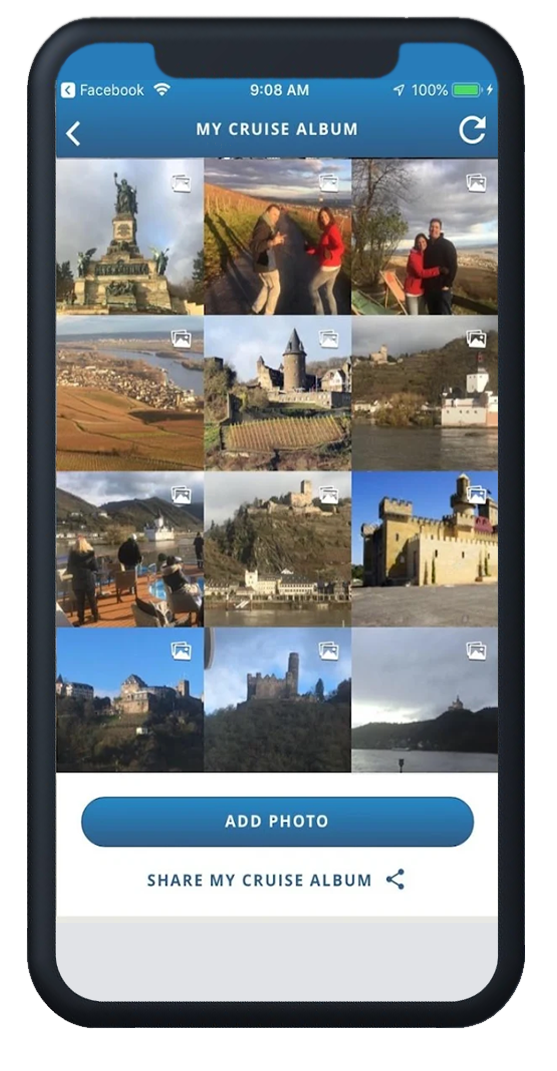
Guests upload photos during their cruise, often with travel notes and social sharing.
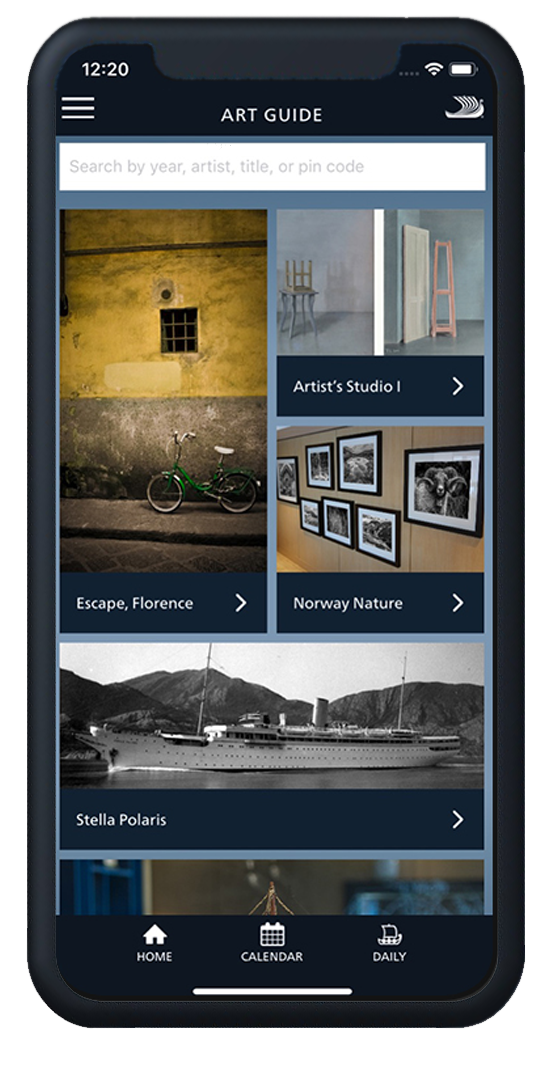
Digital guide to onboard artwork with audio commentary, adding a cultural layer to the cruise.
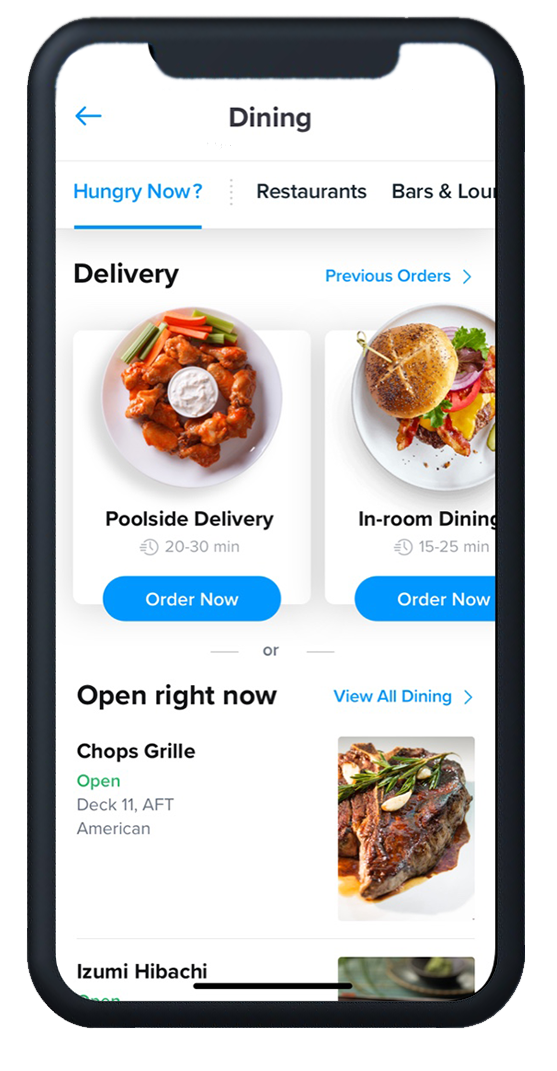
Order beverages from anywhere on the ship for delivery to your location.
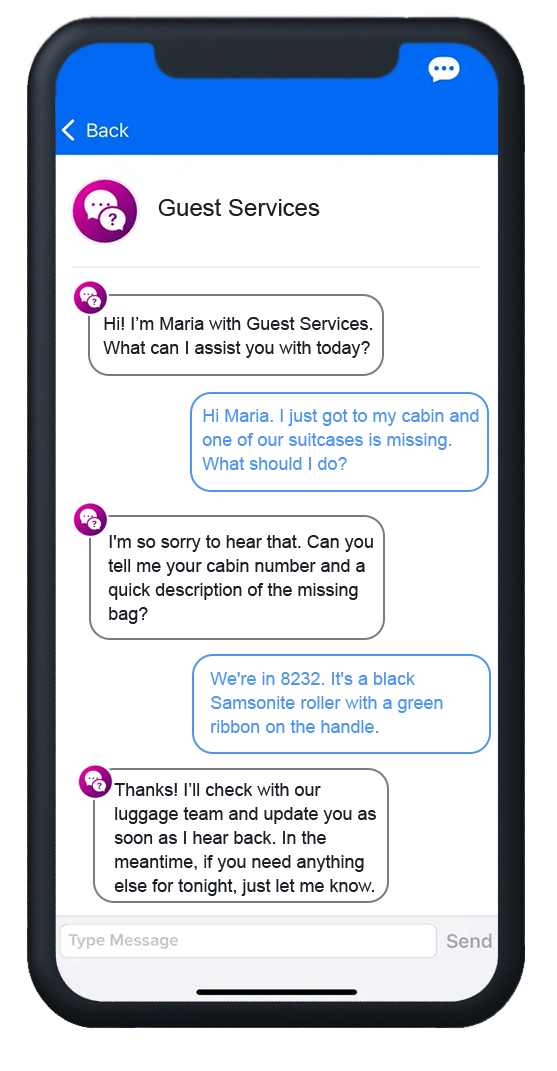
Built-in chat to communicate with ship administrators in real time.
Navigate ports of call without Wi-Fi or cellular using offline GPS — essential for international travelers.
Despite the rise of cross-platform frameworks, many teams continue to favor native technologies for superior performance, offline capabilities, and hardware integration.


Most apps now use Split APKs — breaking the application into multiple files optimized for specific devices. Reduces app size and install time, but complicates analysis.
One app showed expanded feature flags — toggling functionality without a full app update. Valuable for cruise lines operating multiple ship types from a single codebase.
The one React Native app now includes Hermes, a JavaScript engine that shifts work to build time. Faster load times, reduced memory, smaller downloads — especially on lower-end devices.
Webviews are still common. Among native apps, there's a heavy reliance on webviews — headless browsers loading external content inside the app. Common for dynamic content like dining menus and daily schedules. Their use is declining in more advanced applications due to performance inconsistencies.
Our analysis revealed several security vulnerabilities across the apps reviewed. While some implement robust practices, others contain risks that could expose user data or make applications more susceptible to attack.
Four apps can be installed on outdated Android versions lacking modern security protections.
Multiple apps request permission to read/write external storage, accessible to any app on the device.
Three apps allow activities to be shared with other applications, potentially leading to data leaks.
MD5 — a known weak algorithm susceptible to collisions — raises concerns about data integrity.
Some apps use libconceal.so and libconscrypt_jni.so to protect authentication tokens and user data.
A subset implement SQLCipher — a secure SQLite extension with AES-256 encryption — preventing unauthorized access to stored guest data.
CI/CD concern. Two apps contained testing artifacts in production releases, indicating manual compilation rather than a structured CI/CD build pipeline. This increases the risk of data leaks and exposure of backend infrastructure details.
Third-party SDKs, platforms, and services found embedded across the six apps analyzed.

Found in 2 apps. Analytics, FCM push notifications, and performance monitoring from Google.

Found in 2 apps. Real-time crash monitoring with detailed stack traces — reduces debugging time significantly.

Found in 2 apps. Image loading library — optimizes scrolling, video playback, and transitions with memory caching.

Found in 1 app. Possible uses: personalized recommendations, image recognition, document scanning.

Found in 1 app. Real-time messaging platform, now expanding into AI-powered communication tools.

Found in 1 app. Renders After Effects animations as JSON for smooth, lightweight UI transitions.

Found in 1 app. Deep linking and attribution — improves pre-cruise engagement and web-to-app navigation.

Found in 1 app. Unified push notifications for web and mobile. Suitable for river cruises with stable internet.

Full SDK + API documentation in 1 app. Would allow guests to unlock cabin doors and gangway via phone.

Found in 1 app. Privacy and data governance — managing cookie consent and GDPR compliance.

Found in 1 app. Digital access to global newspapers and magazines, with shore-side and onboard server handling.

Found in 1 app. Chatbot SDK overridable by a live operator. Requires stable internet — likely monitored shoreside.

Found in 1 app. Enables direct messaging — guests communicating with services through a familiar platform.

Found in 1 app. Data orchestration for tag management, customer analytics, and personalization.

Found in 1 app. Alternative to FCM for Huawei devices in markets where Google services are restricted.

Found in 1 app (OnDeck's survey module in another). Structured guest feedback on dining, spa, and excursions.
Much has changed since our last full analysis. Below we score our predictions from the 2023 report.
We anticipated more river cruise lines launching passenger apps. Two new apps — Phoenix Reisen and Vodohod — joined this year, and the broader ecosystem continues to expand.
River apps now share a common baseline — daily schedules, itineraries, reservations, ship tracking. Less diversity in design compared to prior years. The space is maturing, just as predicted.
We predicted digital check-in as the first shoreside innovation. At least half of apps now include meaningful pre-cruise functionality: document upload, manifest completion, early excursion selection.
We predicted broader adoption of crash detection tools. Progress has been slower than hoped — most lines are still reactive, addressing guest-reported issues without robust diagnostic tooling.
Several trends will shape the next generation of passenger-facing tools as River apps continue to close the gap with Ocean.
Tools like SendBird and Sunshine Conversations make passenger-facing chat far easier to implement. Well-suited for low-effort questions like "What time is dinner?" or "Where is my room?"
The barrier has dropped significantly. Modern cloud platforms offer embedded recommendation engines and real-time segmentation, making suggested excursions and targeted promotions feasible.
Wishlisting events, guest-to-guest and guest-to-crew messaging, and accessibility tools like font scaling and screen reader support are low-effort additions that will become standard.
Shore excursion and dining modules are prime AI candidates: surfacing relevant excursions, notifying guests of last-minute availability, and customizing menus by dietary preference.
With Starlink improving connectivity, the real limiting factor isn't bandwidth — it's data architecture. Cloud middleware will become the critical enabler of always-available functionality.
As apps store more sensitive data, expect broader adoption of OneTrust, SQLCipher, and modern CI/CD pipelines to reduce accidental leaks and improve confidence in these platforms.
The 2025 River Cruises App Report shows an industry that is steadily maturing. The inconsistency and experimentation we saw in earlier reports is starting to fade, replaced by more predictable improvements and a clearer sense of direction.
The basics are largely in place now. Every app we looked at offers a digital daily program and personal schedule. Most support reservations. Push notifications are becoming more common. On the backend, crash reporting and performance monitoring are showing up in more apps. Security has improved, with more thoughtful use of ProGuard, some encrypted local storage, and a handful of apps implementing SQLCipher.
But progress is still cautious. None of the apps made a major leap forward this year. Most improvements optimize what already exists.
What's more interesting is what's starting to show up under the hood. AI libraries like TensorFlow and messaging platforms like SendBird are now embedded in some apps. Chatbots, basic recommendations, and smarter workflows for dining and shore excursions aren't science fiction anymore — they're on deck, waiting for teams to use them.
Two years ago, we said this space was still in its Wild West phase. That's no longer true. Things are settling. Most of the work being done today is sensible and focused on making existing systems more stable, secure, and useful.
But the tools are now in place for something more interesting. The question is who's going to make the next bold move. We'll be watching.