AIDA Cruises
Released May 2012 — full AIDA fleet

An independent analysis of 21 ocean cruise guest apps: features, technology stacks, security practices, AI adoption, accessibility, and predictions for the next two years.
Sourcetoad OnDeck has specialized in innovative guest-facing software for the cruise and ferry industry for 15+ years. Our mission is to increase the value of both the guest's and the crew's time by building automation, communication, and self-service systems.
We offer a number of custom and out-of-the-box solutions for cruise lines to increase operational efficiencies, improve guest experiences, and shorten technology ROI cycles.
Learn moreProducts & Services
The 2024 Cruise Mobile Apps Report provides a comprehensive overview of the current state, advancements, and future trajectory of mobile applications in the cruise industry. This year's report delves into how these digital tools are transforming the cruise experience for passengers, streamlining operations for crew and operators, and setting new benchmarks for innovation in maritime travel.
As the cruise industry continues to rebound and grow in the post-pandemic world, technology — particularly mobile apps — stands at the forefront of this resurgence. These applications are no longer mere conveniences but essential components of the cruise experience, offering functionalities that range from booking and itinerary management to onboard services, entertainment, and personalized guest experiences.
This report would not be complete without speculation around the hottest topic in every industry right now: AI and Large Language Models (LLMs), and how they might affect the mobile cruise app space in the very near future.
Predictions for the future of cruise apps highlight a landscape ripe with innovation. As cruise lines strive to offer more personalized, immersive, and seamless experiences, mobile apps are expected to become even more integral to the cruising experience.
Our process focuses on apps available both on and off the ship. Apps that are only accessible onboard — such as Progressive Web Apps or onboard-only web applications (e.g., Marella, P&O, Cunard) — fall outside the scope of this analysis.
Tools Used
Android APK reverse engineering tool, maintained by Sourcetoad's Director of Engineering.
Decompiles APK resources to JSON/XML and merges split APKs into a single file.
Mobile Security Framework — static and dynamic security analysis for Android, iOS, and Windows Mobile.
File comparison tool for diffing app versions to identify added or removed features and code.
Generic code viewer for investigating source code in new apps without a prior version baseline.
This year's report brings the total to 21 apps — up from 14 in 2022. The seven new additions are a mix of cruise lines entering the market and established lines adopting new onboard apps.
















Cruise lines proved serious about improving the passenger experience through consistent 2023 updates — spanning technology integrations, accessibility improvements, and new features. Celebrity Cruises led with 23 updates.
Since 2018, onboard features have become more standardized across the industry. However, some apps still boast unique features. Features are categorized into three groups based on prevalence.
Ubiquitous across onboard apps, though user reviews cite poor performance and unreliability as ongoing frustrations.
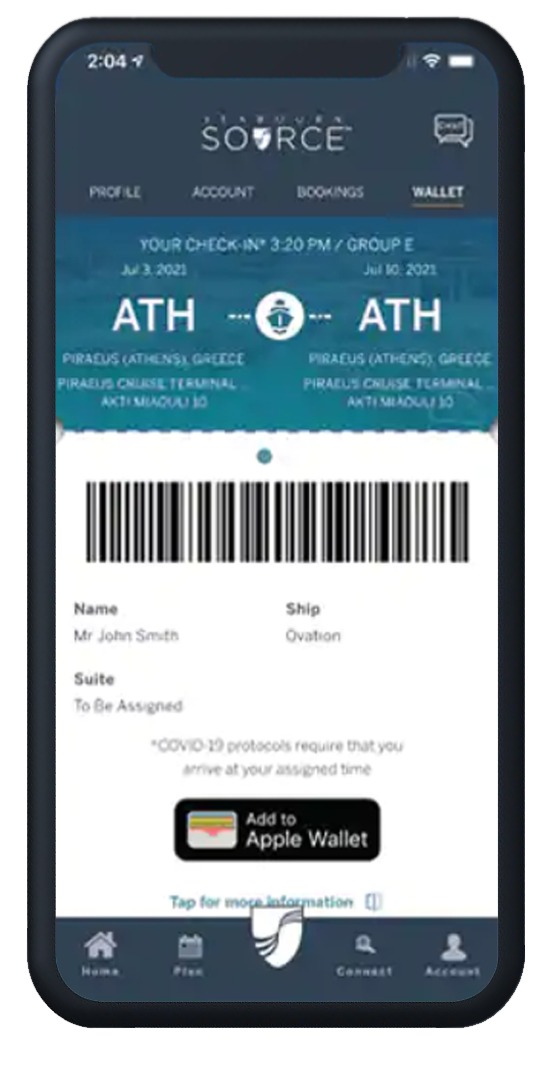
Document upload, vaccination proof, safety steps, and digital boarding passes are now standard pre-boarding features.
Interactive and searchable deck maps help guests navigate the ship. More robust versions are fully interactive.
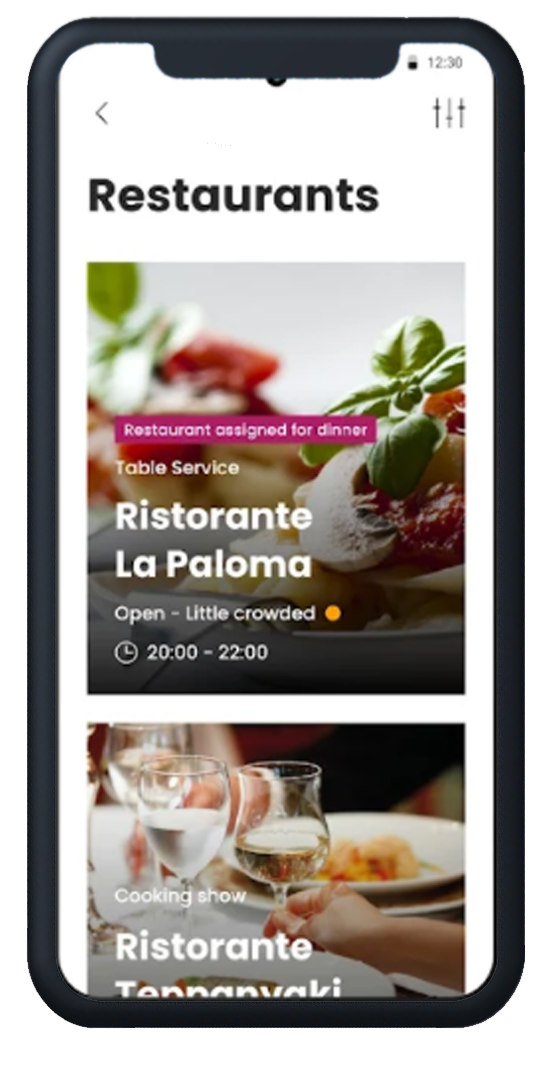
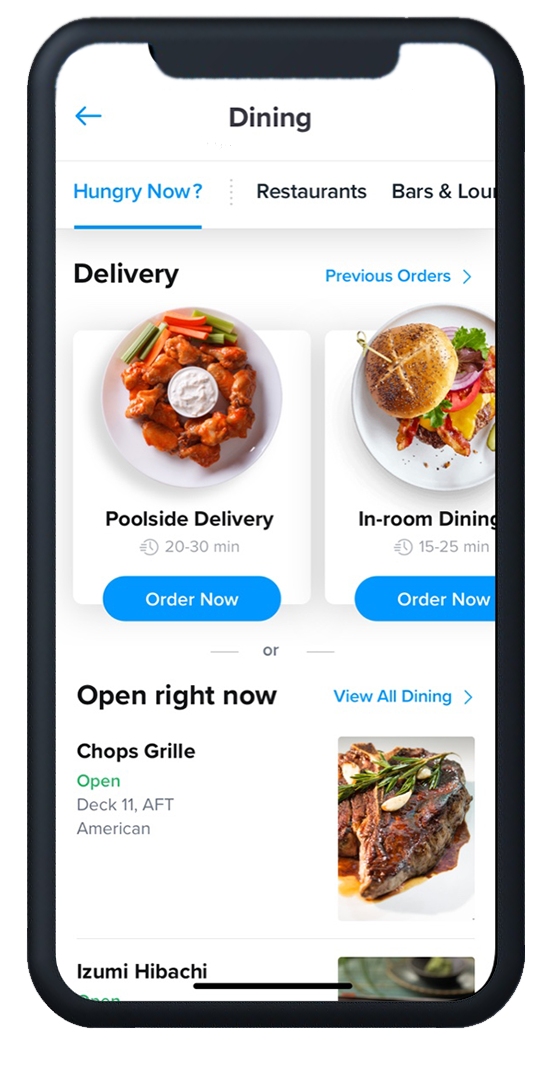
Menus, hours, locations, dress codes, and reservations — some apps open bookings prior to departure with virtual queuing.
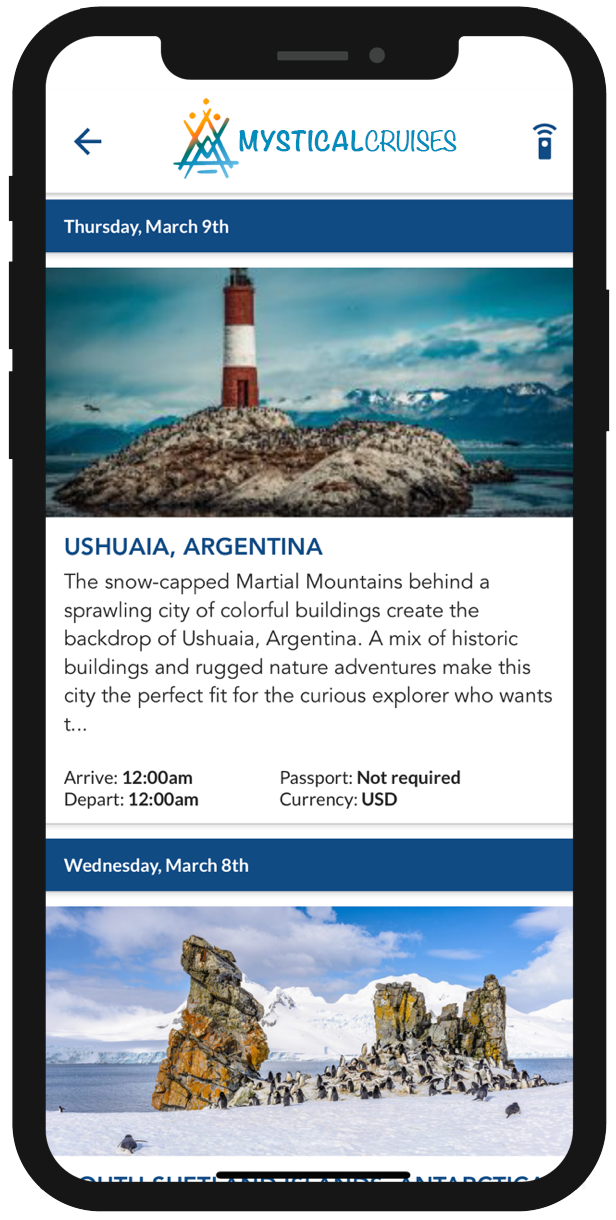
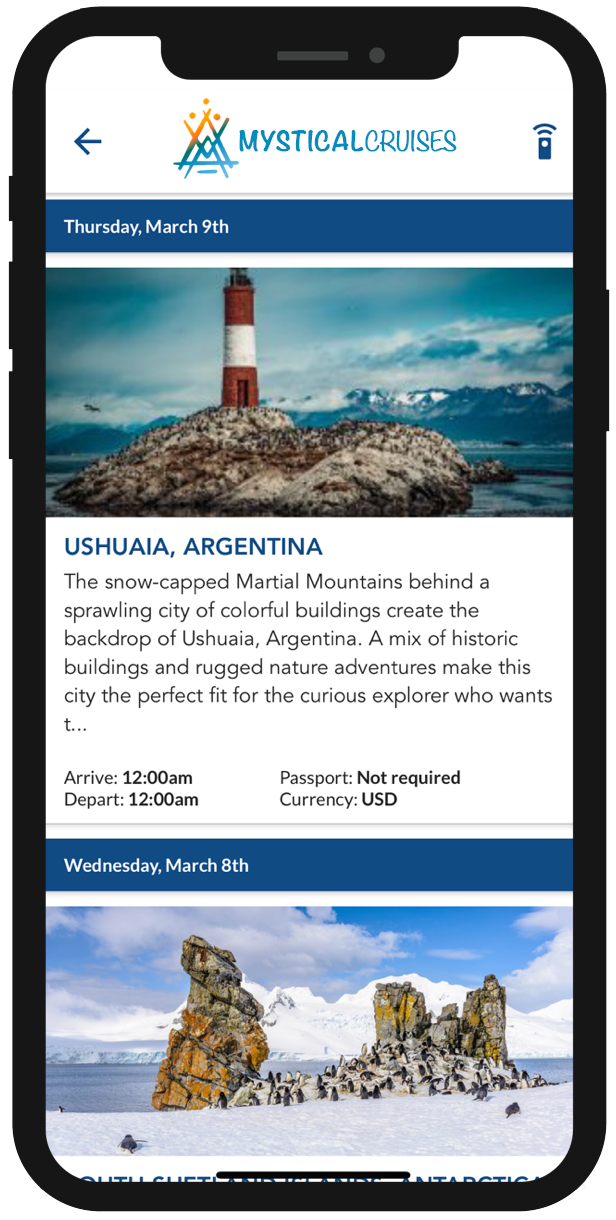
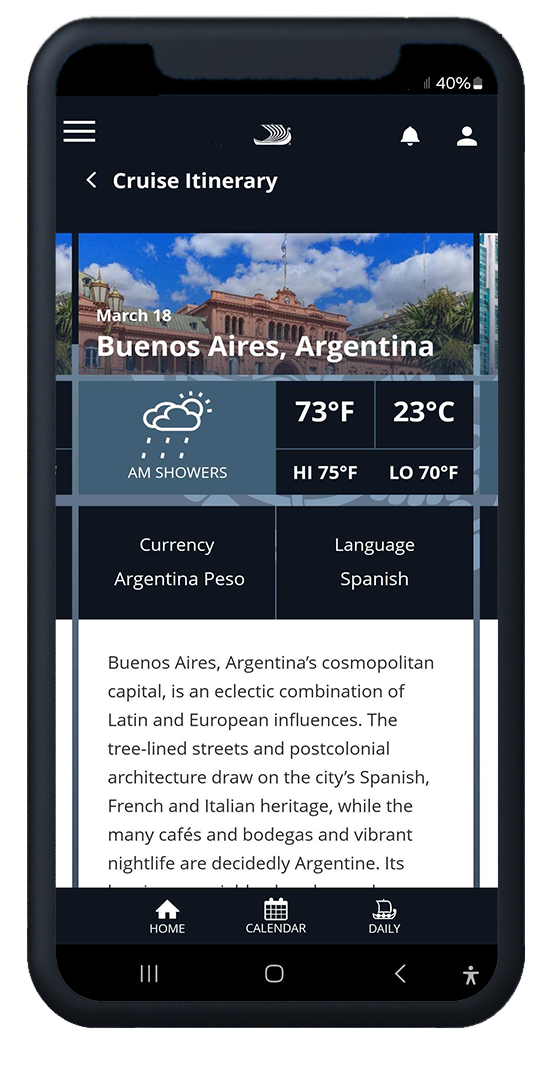
Port and destination information including photos, activity suggestions, and cultural and historic context.
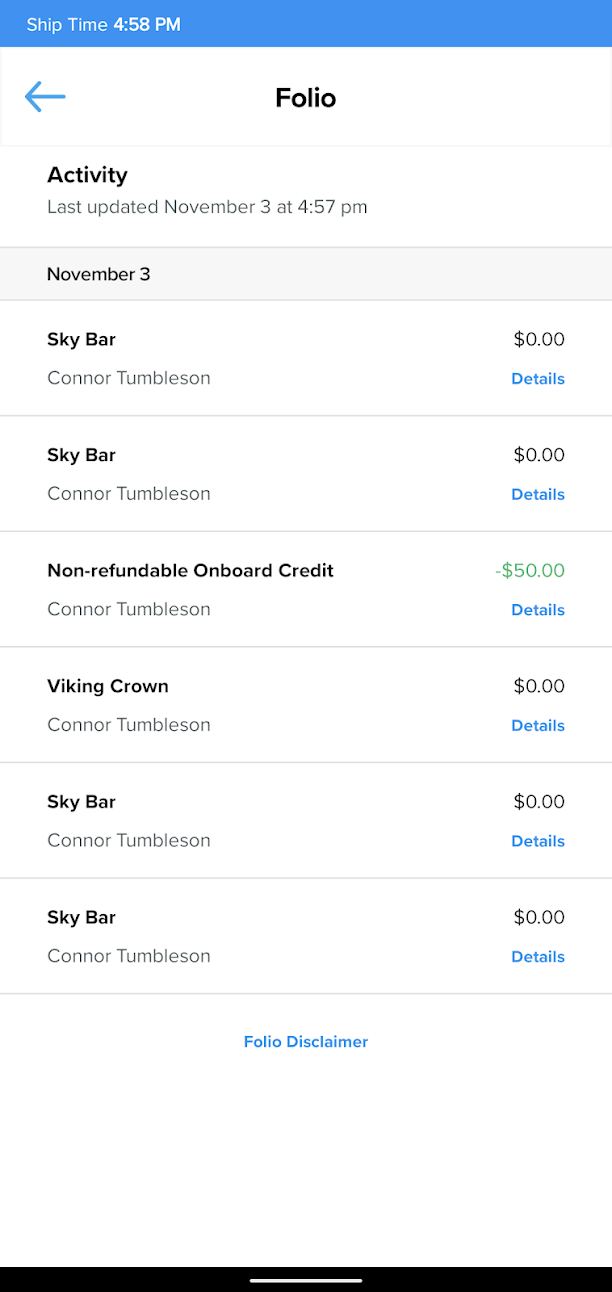
Detailed billing record that refreshes in real time as charges are applied to the guest's account.
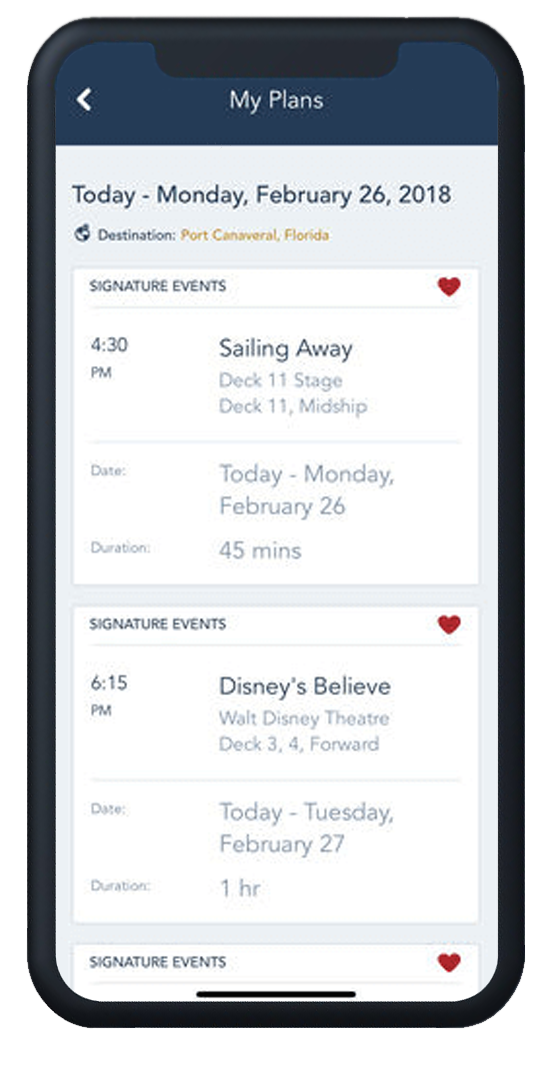
Personalized schedule showing bookings and favorites marked by the guest, synced with activity management.
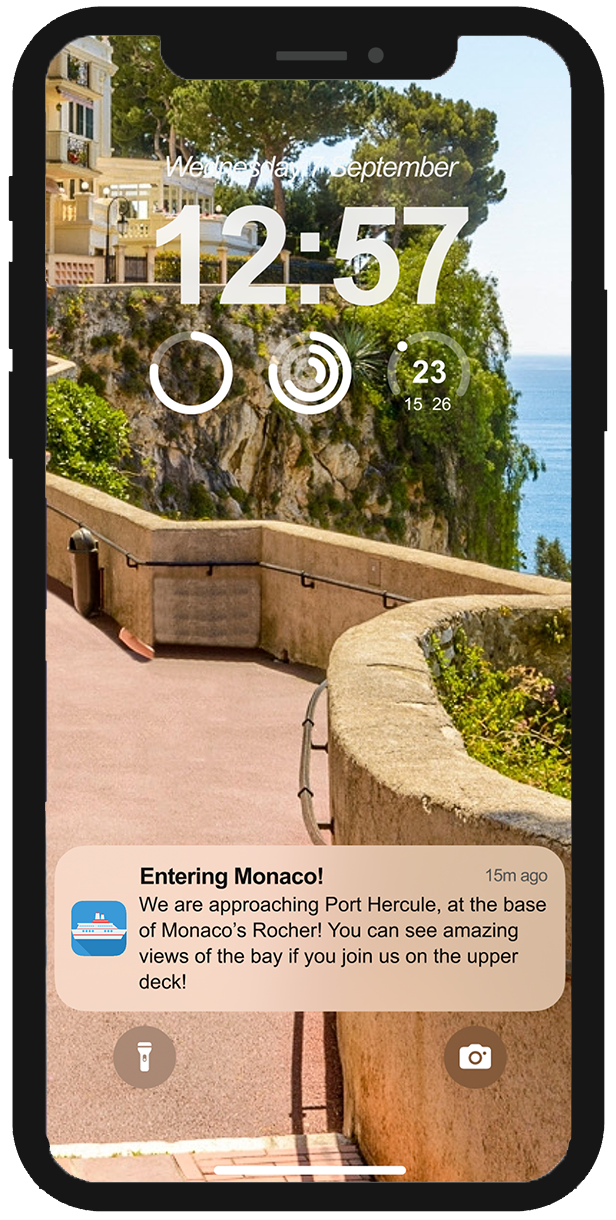
Push notifications about activities, folio updates, and messages — now standard, but reliability remains mixed.
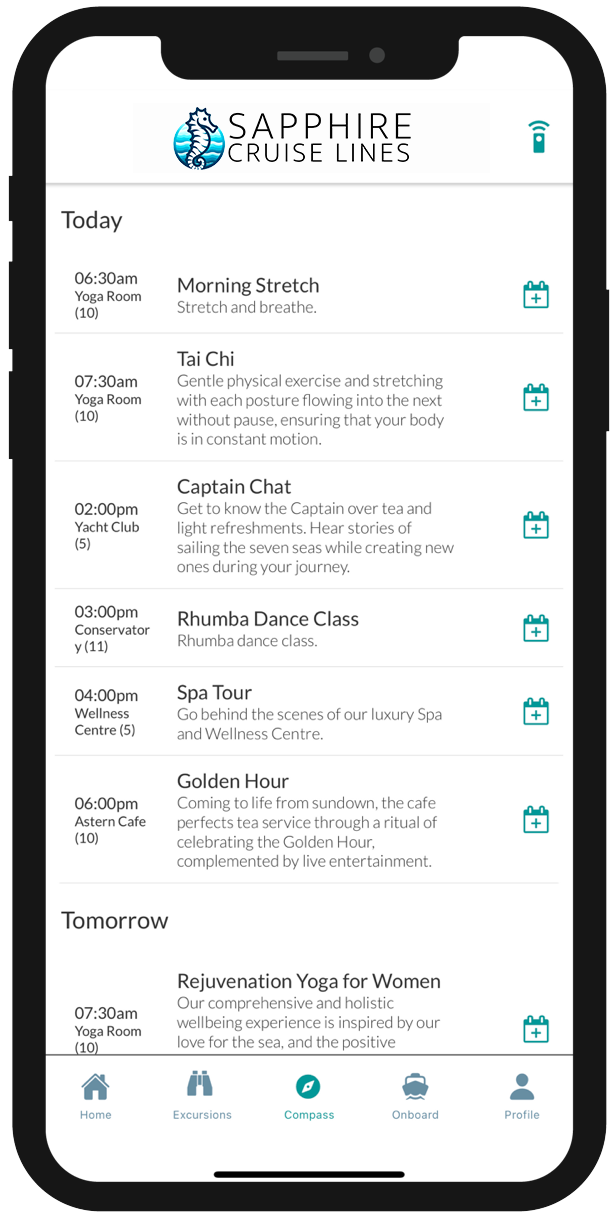
Daily activity schedule — the hub for organizing onboard life. Events can be added, reserved, or copied to personal itinerary.
View and book excursions, many with pre-departure booking available. Near-universal across analyzed apps.
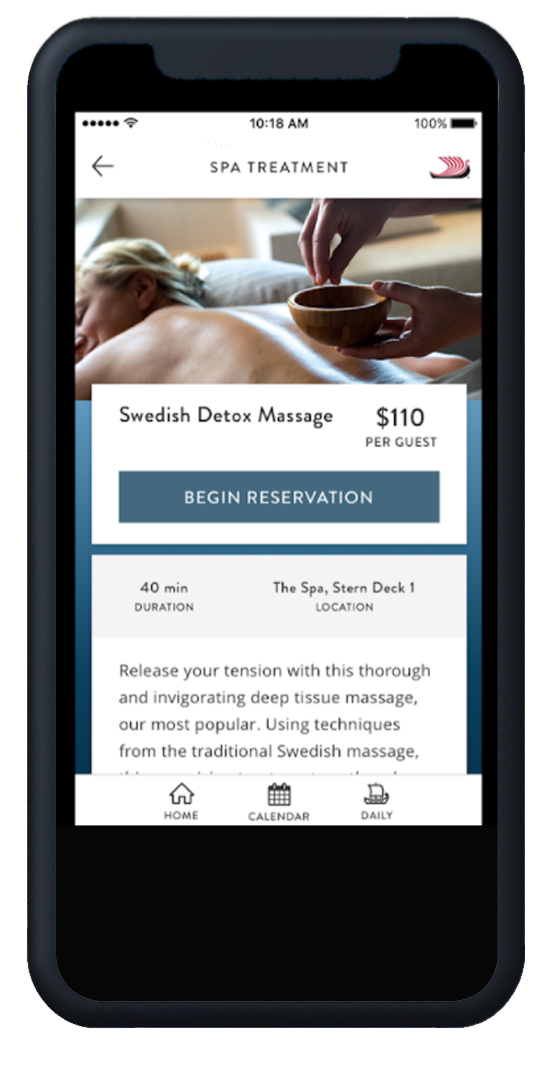
View offerings and make reservations. Pre-cruise booking available in several apps, aligning with shoreside pre-payment trends.
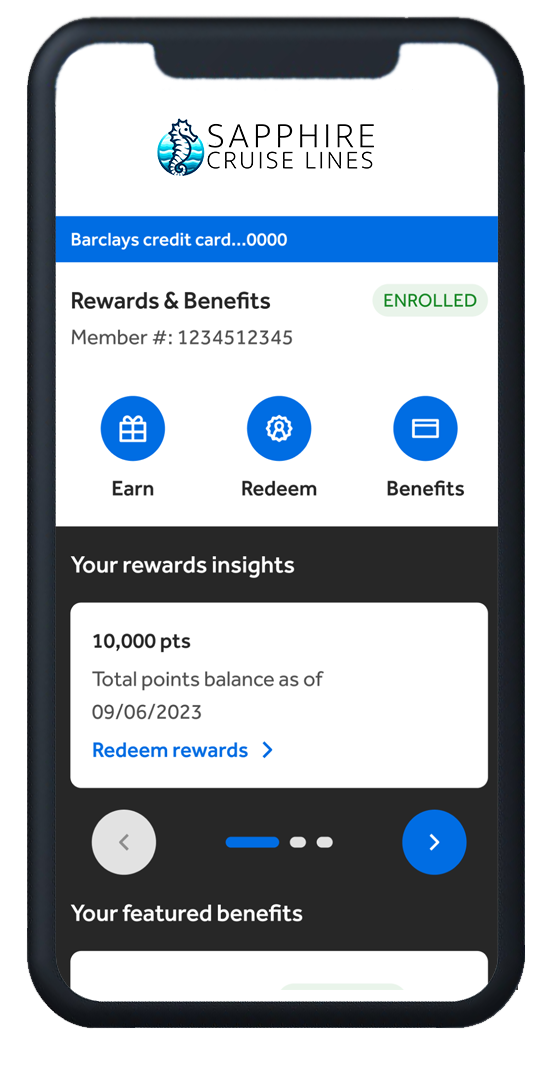
Apply for a cruise-branded credit card in-app. The card is added to the guest's digital wallet for immediate onboard spending.
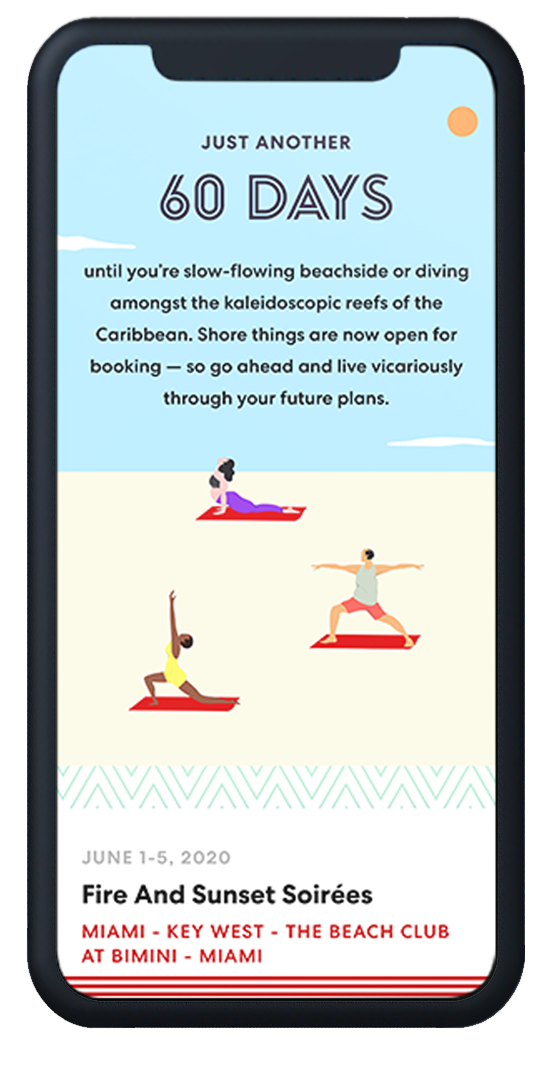
Pre-cruise countdown clock, shareable on social media. Drives app downloads before embarkation day.
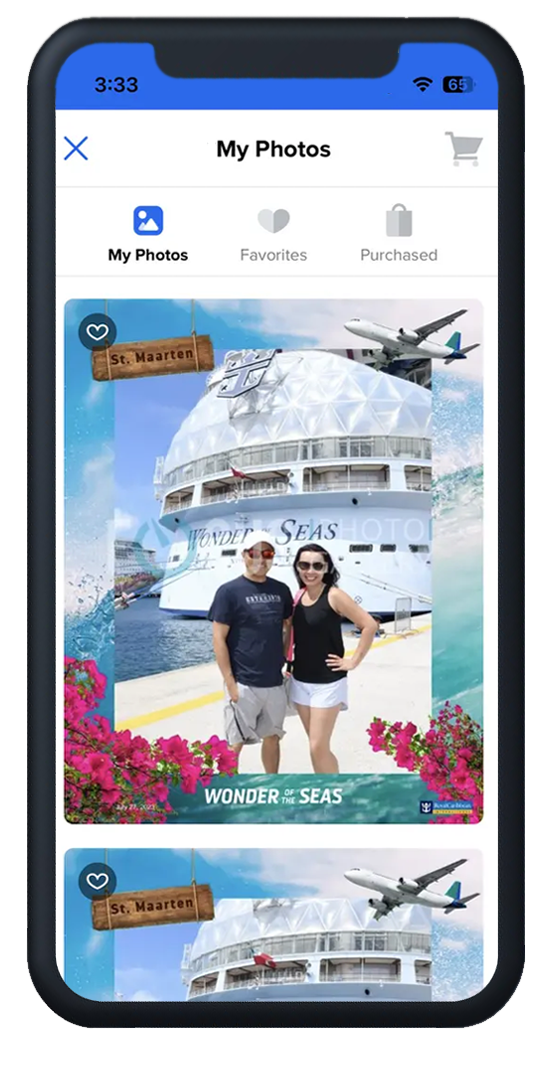
Review, purchase, and share cruise photos — typically taken by onboard photographers and matched to guests via passport photo.
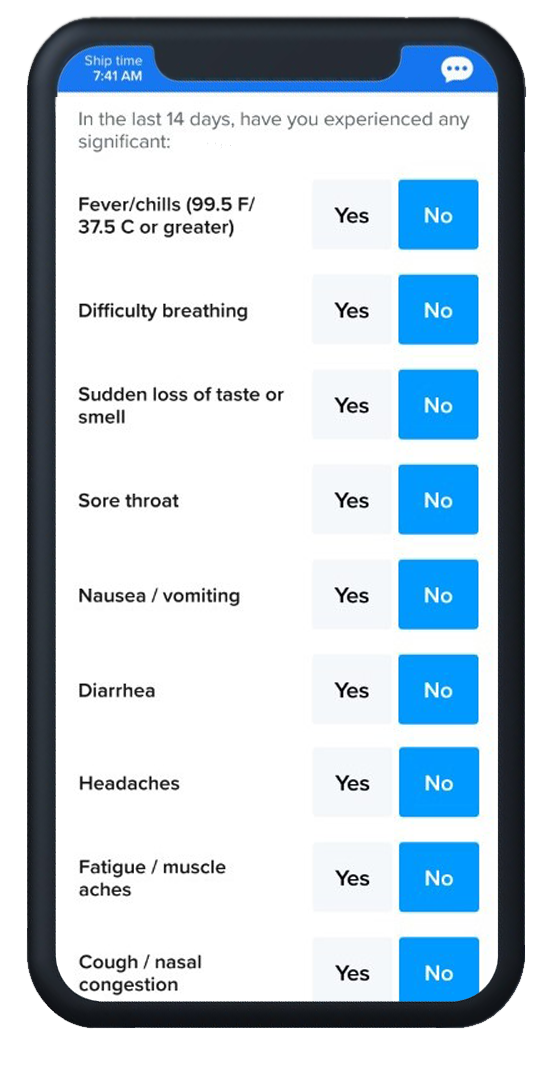
Retained COVID-era health surveys are less common than peak years but still present in several apps.
Order food, beverages, or services to the stateroom or guest's current location on the ship.
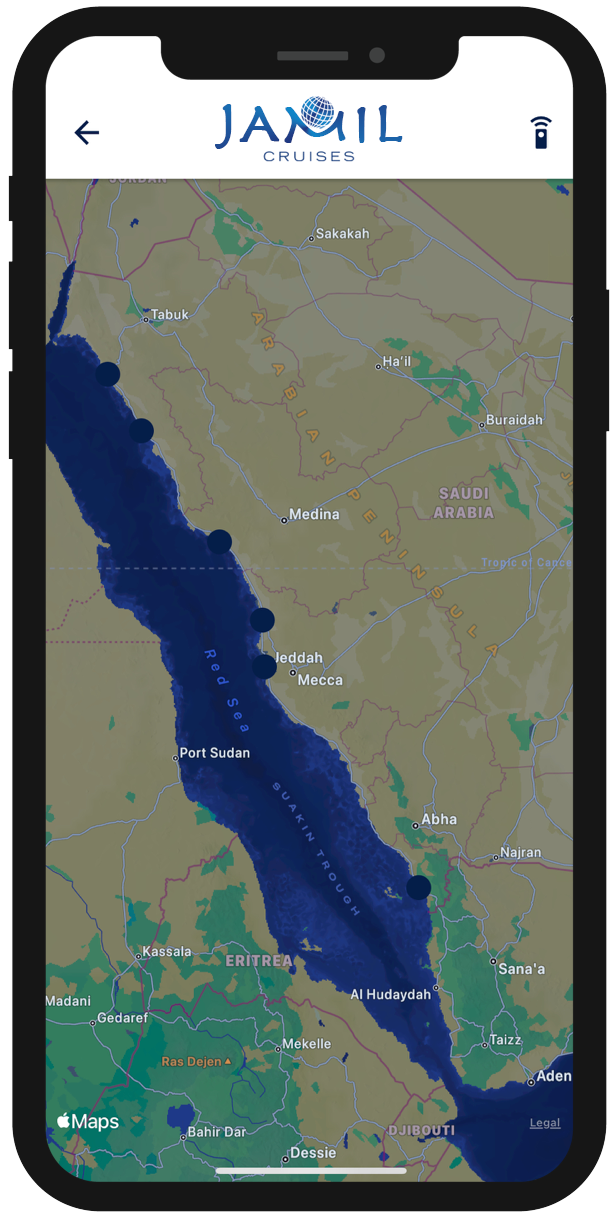
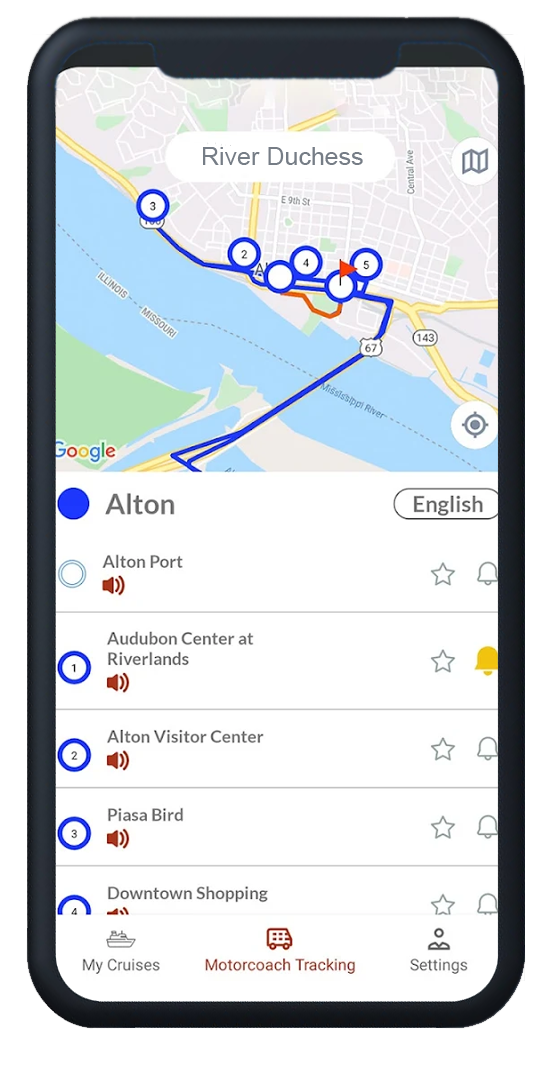
Live ship location in real time, including full fleet tracking. Several apps now include this feature.
Forecast for each day of the cruise, helping guests plan for shoreside excursions.
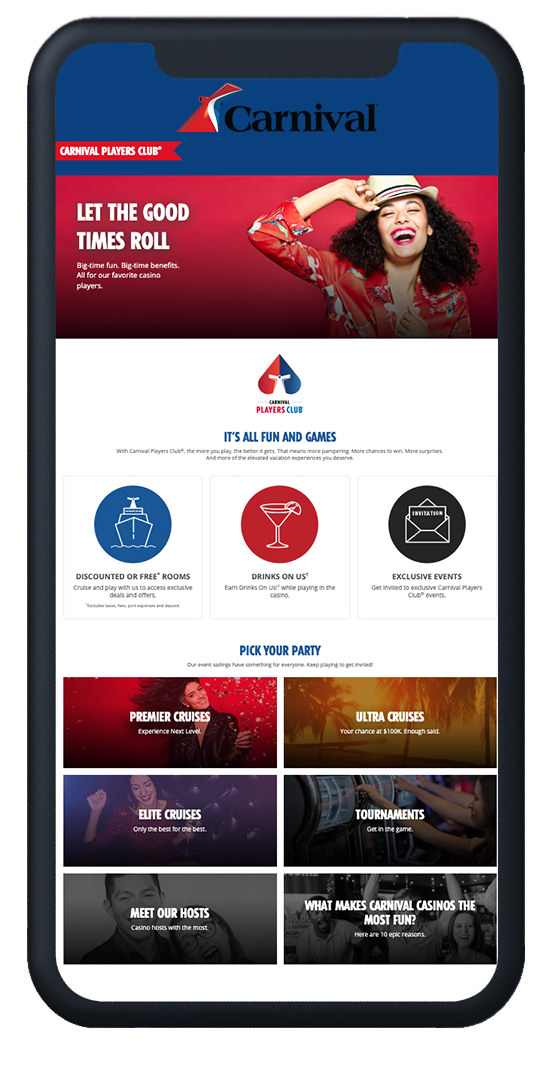
Earn, track, and redeem rewards points at onboard casinos via a dedicated "Carnival Players Club" module.
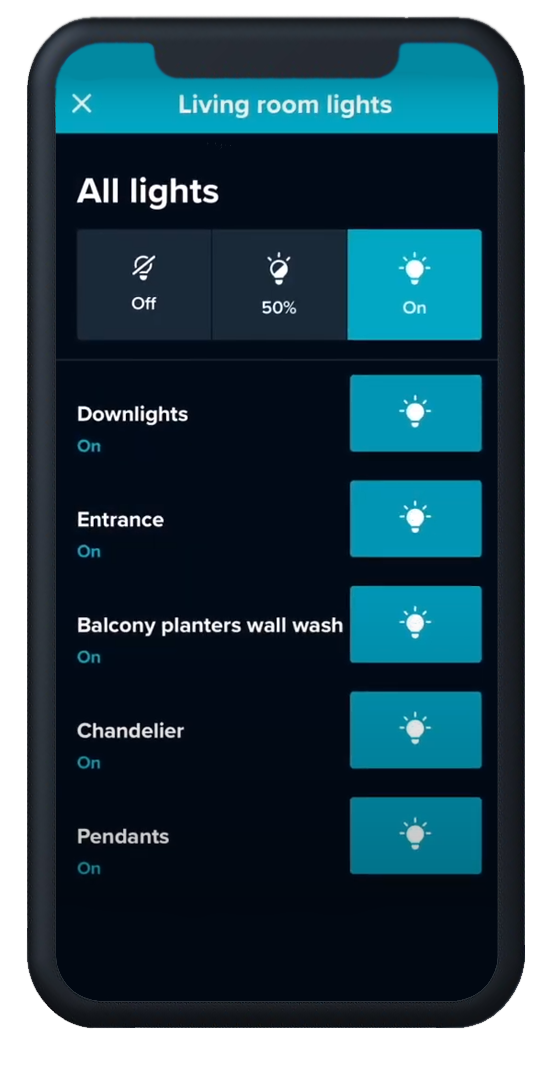
Control cabin lighting, shades, temperature, and TV directly from the mobile app.
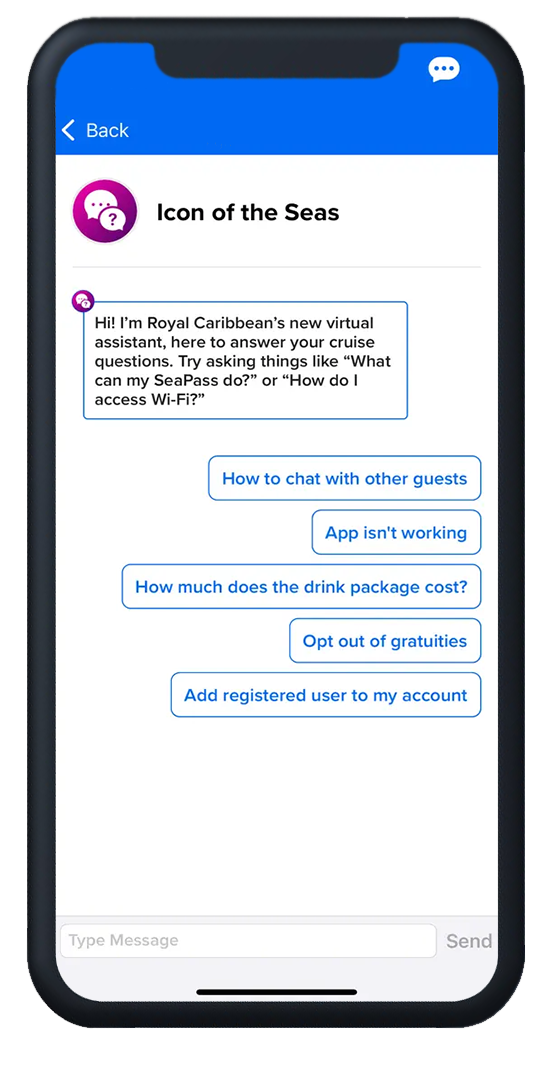
An AI-powered virtual assistant that answers simple questions, provides ship information, or escalates to a human agent.
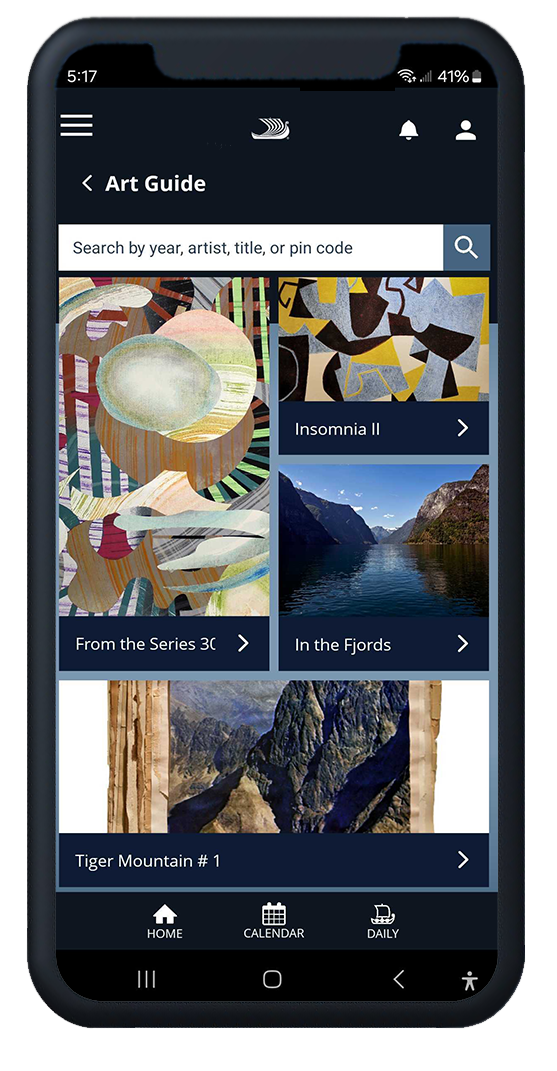
Audio commentary on onboard artwork — two apps approach it in different ways but both offer an engaging cultural layer.
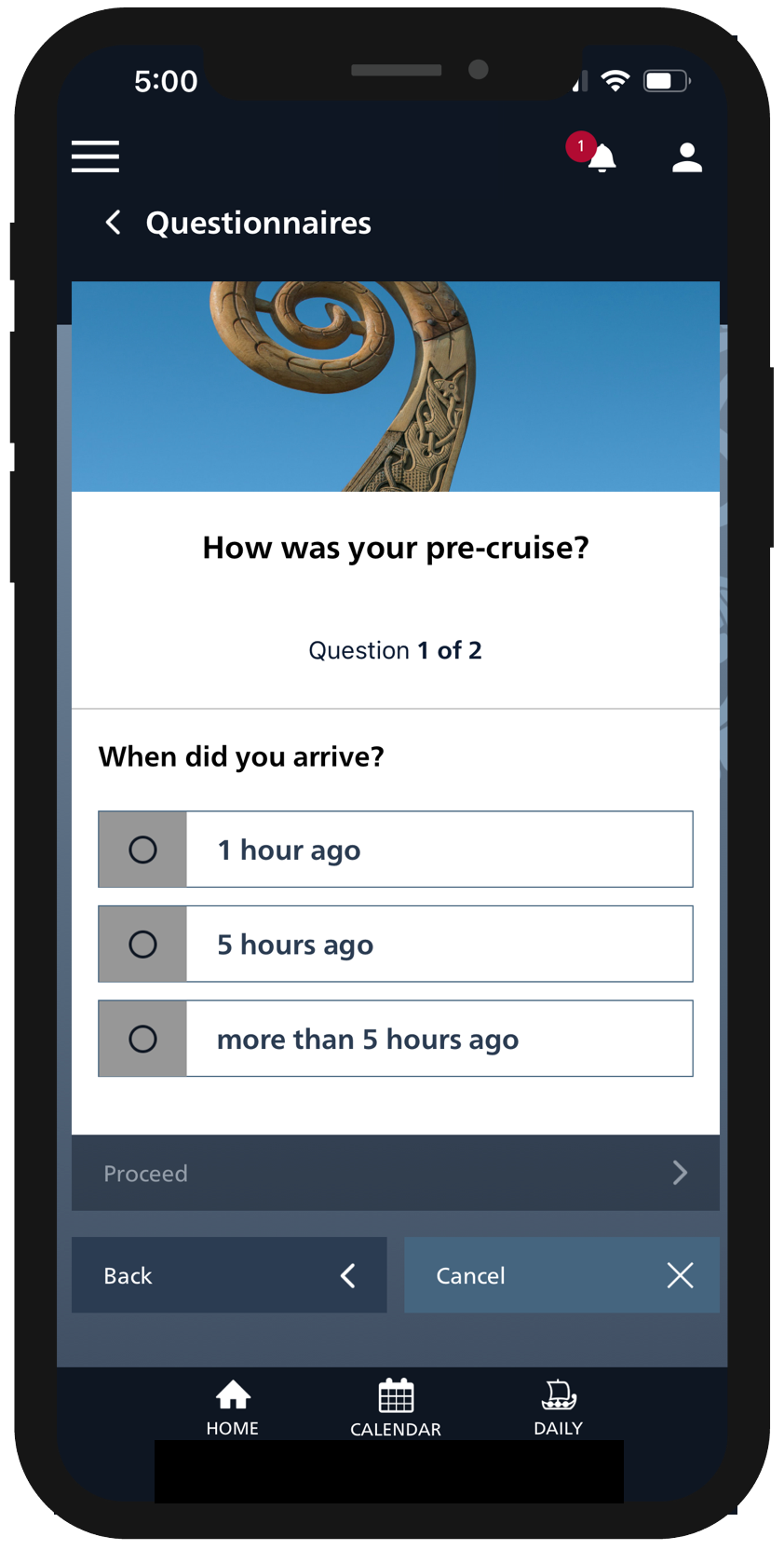
In-cruise satisfaction surveys that let cruise lines address problems immediately rather than waiting for post-cruise feedback.
In the last two years, several cruise lines embraced a wider range of technologies beyond traditional native offerings. Frameworks including Capacitor, Flutter, React Native, and even Unity are now present in the fleet.
React Native
React Native allows one codebase for iOS and Android, reducing development costs significantly. The cruise industry is adopting it for quicker updates and feature rollouts — crucial for apps that reflect changing schedules and destinations. Note: some apps are running React Native without the Hermes engine, leaving performance improvements on the table.
Flutter
Two apps now use Flutter. Google's UI toolkit compiles to native code for excellent performance. One app combines Flutter with Unity — Flutter for standard features like booking and itinerary, Unity for AR or gamified experiences that enhance guest engagement.
Capacitor & Xamarin
Capacitor bridges web and native, enabling web technologies to run natively. Xamarin was spotted in one app — notable given Microsoft ended Xamarin support May 1, 2024, suggesting a likely migration to .NET MAUI is underway.
The following tools and SDKs were identified inside the analyzed apps. New tools are marked; updated tools represent significant changes since our 2022 report.
Key topic in 2024. Cruise lines are investigating LLMs to automate guest experiences and reduce front desk burden. Risks include hallucinations, lack of good training data from shipboard systems, and high on-premise hardware costs. Roadblocks are falling rapidly with better connectivity and smaller models.
New in 2024. Virtual AI assistant platform found in at least three cruise apps. These bots require readily available data sources and APIs — when data for different tasks lives in different systems, AI assistant development becomes prohibitively complex.
Found in 1 app for offline barcode reading — no internet connection required. Could be used for excursion tickets, digital entry, or payment. A good early example of practical, bounded on-device intelligence in a shipboard context.
New in 2024. Found in 2 apps. Feature flagging and A/B experimentation — selective feature rollouts, dynamic content personalization, and performance monitoring. Particularly valuable for deploying one app across ships with different feature sets.
New in 2024. Found in 2 apps. Global payment platform used during digital check-in to tokenize the guest's credit card. Tokenizes securely over the internet, then transports the token to the shipboard PMS through a proxy or middleware layer.
New in 2024. Customer engagement platform for mobile messaging — push notifications, in-app messages, and SMS. Requires internet access, so most likely used for shoreside marketing rather than onboard operational alerts.
New in 2024. Found in 2 apps. Language and localization platform — dynamic updates of app content across multiple languages without new app releases. Invaluable for cruise lines serving diverse, international guest populations.
New in 2024. Microsoft's cloud-based identity management for customers — unified login for guests shoreside and shipboard, or corporate identity for IT staff. Its on-premise offering makes it viable in a low-connectivity environment.
New in 2024. Analytics platform for user behavior — browsing habits, navigation paths, and pain points. Allows data-driven decisions to optimize UI and streamline navigation flows for passengers.
New in 2024. Found in several apps — either for certificate pinning (preventing man-in-the-middle attacks) or to ensure compatibility with older guest devices that may have outdated certificate stores.
Updated in 2024. Two apps now include the full SDKs — allowing guests to use their phones to access the gangway and unlock their cabin doors. Full rollout has been slow due to training requirements, BLE challenges through steel bulkheads, and dual-system complexity.
Updated in 2024. Found in 2 apps. Customer engagement platform for targeted pre-cruise recommendations, dining offers, and event reminders. Analytics help refine marketing strategies based on passenger behavior. Primarily a shoreside marketing tool.
Google's platform for building and improving apps — crash reporting, analytics, user authentication, and targeted notifications. A foundational tool across the analyzed fleet, found in a significant number of apps for tracking behavior and improving reliability.
Custom mapping, navigation, and location search — most likely used for ship tracking. By hosting a tile server onboard, cruise lines provide continuous map access without external internet. Offline capabilities are a key advantage in bandwidth-constrained environments.
Privacy, security, and governance platform for GDPR and CCPA compliance. Manages consent, data governance, and risk assessment — crucial for cruise apps collecting booking, passport, and personal preference data from international guests.
Open Source Computer Vision Library — suggests potential for image enhancement, object detection, AR experiences, or security features. Integration in a mobile app could enable virtual tours or interactive port maps.
Lightweight messaging protocol for constrained network environments. Enables real-time onboard notifications — itinerary changes, event reminders, safety alerts — without the overhead of internet-dependent push services.
Updated in 2024. Two major cruise lines moved to full local push notification systems since 2022 — reducing app size and App Store complaints. Total now: three large brands on local push, plus two newer entrants using the Cruise Director Platform.
Google-supported open-source PDF library for handling documents — tickets, medical forms, menus — in an offline environment. Moving PDF rendering to the device rather than a server is essential when connectivity is limited.
256-bit AES encryption extension for SQLite. SQLite itself is completely readable on a compromised device — cruise lines adopting SQLCipher are likely storing payment data, personal health data, or meeting security compliance requirements mandating encryption at rest.
Updated in 2024. Four cruise brands now show evidence of virtual queuing or waitlist systems. Guests sign up via QR codes and receive a notification when their turn arrives. Reviews cite inconsistency issues, but the potential for a streamlined guest experience is clear.
Sourcetoad's own suite of onboard and shoreside tools found across multiple cruise apps. Modules include iTV, smart signage, captive portal, mobile app management, IoT, cabin access, and notifications — all sharing a unified API and analytics interface.
Recent incidents, including at least two breaches known to Sourcetoad, have highlighted the vulnerability of cruise apps. These breaches allowed attackers to pivot from the app to sensitive onboard systems, endangering both privacy and physical security.
Three apps include their entire Sourcemap — essentially the unminified, unobfuscated source code. Sourcemaps are designed for debugging but should never ship to production. Including them makes it trivial for an attacker to reverse-engineer the app, identify API endpoints, and exploit vulnerabilities. Sensitive business logic and proprietary algorithms are exposed as plaintext.
Several apps contain JavaScript files that are not minified or uglified. Unminified code is often readable as the original source — variable names, logic, and API patterns visible to anyone. Minification is table-stakes in web development and should be automated in every build pipeline. Its absence suggests a lack of security-focused build processes.
Several apps are still targeting Android API level 31, which is now deprecated. API 33 is the current requirement. Apps that have not updated face potential blocking from the Google Play Store and miss critical security enhancements. For cruise apps used globally on diverse devices, outdated API targeting creates compatibility and security gaps.
Many apps include test or "shim" data — a fake passenger's details, calendar, folio, menus, and shore excursions — bundled directly in the production APK. This data exists so Apple reviewers can test apps without a live PMS. The risk: the included test credentials could allow unauthorized users to access "onboard mode" without purchasing a ticket. The shim data also exposes the structure of onboard operations to anyone who decompiles the app.
About half of the investigated apps contain clear-text usernames and easily visible passwords in their binaries. While these are Apple review credentials rather than production accounts, their presence suggests that secret management discipline is lacking across the development process — a pattern that correlates with other security oversights.
One app prohibits installation on Android rooted devices — a proactive security measure. Rooted devices can bypass app security measures, enable unauthorized access, and expose user data. This is a best practice that more cruise apps should adopt, especially those storing payment, passport, or health data.
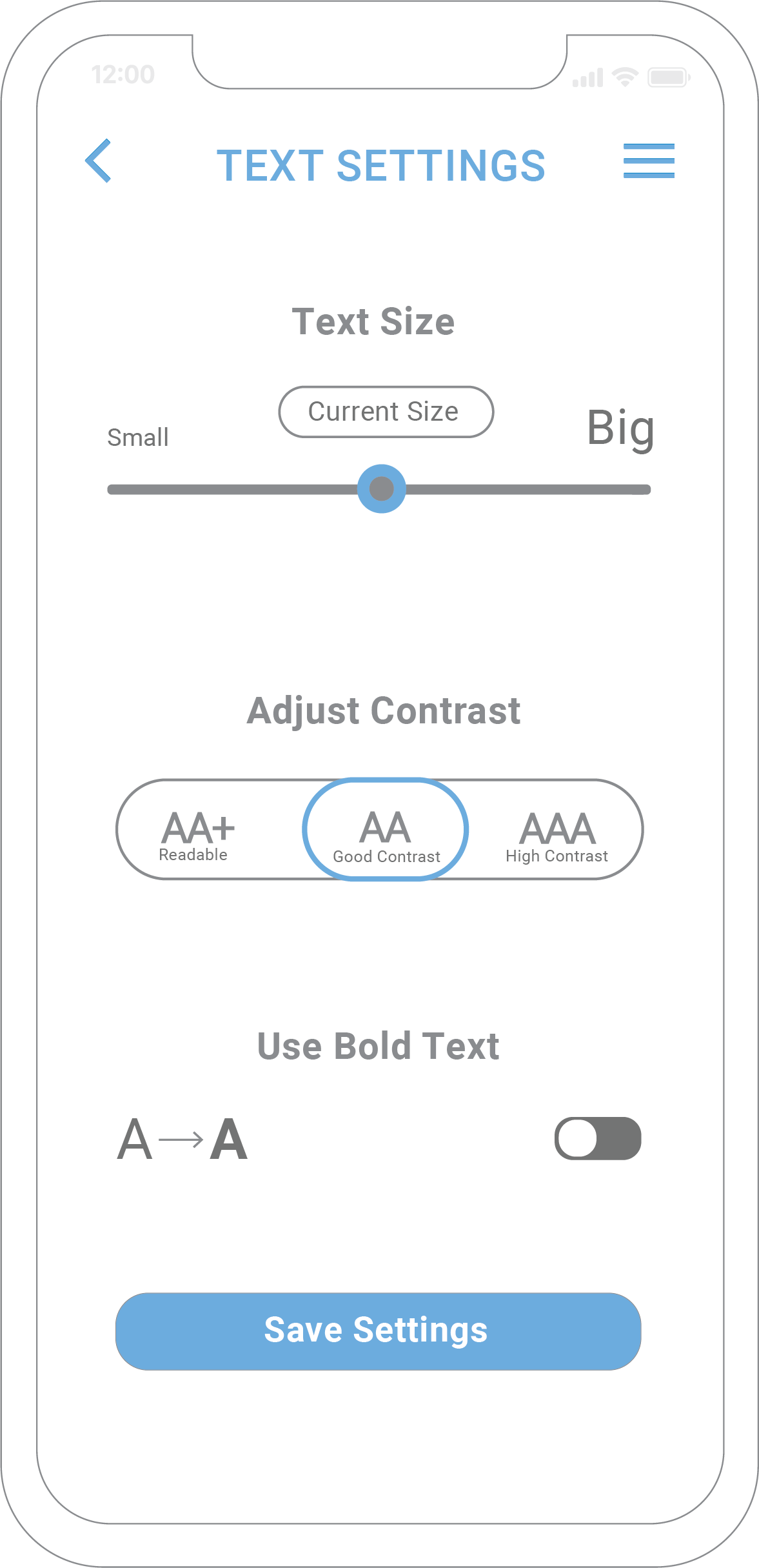
Cruise lines are making strides in incorporating accessibility features. However, inconsistencies in screen reader compatibility and the lack of universal design standards across apps pose significant hurdles. If your app team does not have an accessibility strategy, you need to get one fast.
One app stood out with accessibility enhancements across all videos, images, and animations — subtitles and closed captions for videos, alt text for images, and controls to disable animations for users with visual or motion sensitivities. This is a significant step toward inclusivity and sets a bar for the industry.
One app uses the Cordova Accessibility plugin to improve compatibility with screen readers and assistive technologies — ensuring navigation menus, booking systems, and daily schedules are accessible to users with visual impairments. The plugin has some known issues, and can be difficult to manage, but its inclusion signals intent.
Cruise apps are typically heavily styled and branded compared to standard business applications — meaning more components are hand-built rather than using standard OS components. Standard components enable Night Mode and screen reader support almost automatically. Custom components require manual accessibility implementation, which is frequently overlooked.
Adhering to WCAG (Web Content Accessibility Guidelines) is essential. Lawsuits and legal actions have been rising, with organizations facing significant penalties for failing to provide accessible digital services. The ADA and similar regulations globally mandate accessibility — making it not just an ethical obligation but a legal requirement.
The path forward
Accessibility cannot be an afterthought. It must be a core consideration from the inception of app design. Embracing voice recognition, customizable interface options, and adaptive text sizing will cater to a broader range of needs. Future AI-driven aids that predict and adapt to individual user preferences represent the next frontier. Regular testing with users who have disabilities — not just automated audits — is vital to uncovering real usability issues.
Much has changed since our last full analysis of onboard ocean apps in 2022. Below we summarize and score each prediction.
We predicted at least two new apps. This year's report includes seven new apps, bringing the total to 21. More cruise lines recognized the need for passenger-facing apps and invested in keeping pace with the industry.
We predicted at least one or two complete app rebuilds. Evidence confirms at least one app has been completely rebuilt since 2022. As the number of mobile technologies grows, investing in a full rebuild can be easier than maintaining legacy code.
More cruise lines committed to going fully paperless. Digital daily newsletters and schedules are now a standard feature across a majority of cruise apps. The overall trend has definitively shifted to digital-first delivery.
Pre-cruise features have grown significantly — digital check-in, itinerary planning, and pre-booking of activities are now common. The post-cruise area, however, remains largely overlooked. Half-credit.
Health features remain present, but daily questionnaires have decreased significantly from pandemic peaks. As regulations have eased, most cruise lines no longer require COVID testing or vaccination proof — less new development than predicted.
Based on current trajectory, guest expectations, and cruise industry focus on innovation, here are our predictions for what will be added to cruise apps by 2026.
The AI hype train is not the same vehicle blockchain was. LLMs are here and useful today. Expect human-directed chat systems (where passengers message guest services directly) to appear rapidly — as a deliberate precursor to train the models that will eventually reduce the need for human intervention.
Cruise apps will integrate advanced personalization using AI — personalized itinerary suggestions, dining recommendations, and activity options aligned with guest interests and past behavior. The data infrastructure being built today is the prerequisite.
Enhancements in onboard communication — messaging services, Wi-Fi calling, and internet access — will continue. Seamless integration with wearable devices for access, payments, and notifications is an emerging expectation, especially among younger cruise guests.
AR apps can offer interactive virtual ship tours, navigation aids, and immersive shore excursion previews. Unity's appearance in one cruise app signals that the investment is underway. Adoption will accelerate with the maturation of spatial computing hardware.
With growing emphasis on sustainability, cruise apps will likely include features that allow guests to track their environmental footprint — carbon offset options and sustainable excursion choices. Especially important for lines using sustainability as a competitive advantage.
The use of advanced analytics will become more prevalent for targeting guests with personalized promotions and deals via the app — aligned with their preferences and past behaviors. Increasing onboard spending while enhancing satisfaction is the measurable goal.
As we conclude the 2024 Cruise Mobile App Report, it's clear that the intersection of technology and cruising has never been more dynamic. Mobile apps have emerged not just as tools of convenience, but as essential platforms for engaging with passengers, offering personalized experiences, and navigating the complexities of modern cruising.
Two years ago, our report focused on Health & Safety, Guest Experience, and Operational Efficiency. This year, these pillars still guide where development dollars are spent. We predicted that the future would bring more unique "surprise and delight" features — but that has not been the case. A majority of cruise apps have instead continued to evolve in more predictable, logical directions.
Features like onboard flight time information and prepayment options for guest bills have become logical extensions of app functionality — continuous, incremental improvements that directly benefit guest experiences and operational performance.
The more exciting future leans toward integrating advanced digital solutions: chatbots powered by LLMs and workflow engines that could revolutionize app features. Reporting a maintenance issue could transition from a multi-step process to a straightforward chat with an AI capable of coordinating directly with maintenance systems.
However, the transition toward AI features brings its own challenges — current limitations of chat interfaces and potential for errors in task execution. Despite these hurdles, the push toward AI underscores a broader industry trend toward leveraging technology to enhance the cruise experience.
The imperative is clear: embrace innovation, prioritize security and accessibility, and continuously explore new ways to elevate passenger engagement through mobile apps and emerging AI technologies.
Contact us about your app