Carnival HUB
Released Jan 2015 — full fleet

An independent analysis of 14 ocean cruise guest apps — including three newcomers — covering features, technology stacks, security practices, AI adoption, and predictions for 2023.
OnDeck by Sourcetoad has specialized in innovative guest-facing software for the cruise and ferry industry for 15+ years. Our mission is to increase the value of both the guest's and the crew's time by building automation, communication, and self-service systems.
We offer a number of custom and out-of-the-box solutions for cruise lines to increase operational efficiencies, improve guest experiences, and shorten technology ROI cycles.
Learn moreProducts & Services
This year's app report has been the most challenging year of analysis to date, due to application packaging systems that are becoming more and more common throughout the industry. Both Android and iOS now provide build tools for developers that allow them to dynamically create multiple versions of their software — enabling smaller download sizes and increased efficiency. This added complexity, however, means there is no longer enough time to economically investigate every package available for every app.
2022 has been a very busy year for app developers in the industry. A large number of new features and libraries have been added. Development is clearly back on the table after a Covid slowdown, and the future looks bright for innovation in the field.
As a caveat, the packaging complexity is still largely confined to native applications. The increasing number of cross-platform applications appear to have spent less time modularizing their codebases. As a result, this survey is still extremely relevant and offers numerous insights into the features and trends arising in the cruise mobile app world.
Our process focuses on apps available both on and off the ship. Apps that are only accessible onboard — such as Progressive Web Apps or onboard-only web applications — fall outside the scope of this analysis. Our survey exclusively investigated one platform in only one language (English).
Tools Used
Android APK reverse engineering tool, maintained by Sourcetoad's Director of Engineering.
Decompiles APK resources to JSON/XML and merges split APKs into a single file.
Mobile Security Framework — static and dynamic security analysis for Android, iOS, and Windows Mobile.
File comparison tool for diffing app versions to identify added or removed features and code.
Generic code viewer for investigating source code in new apps without a prior version baseline.
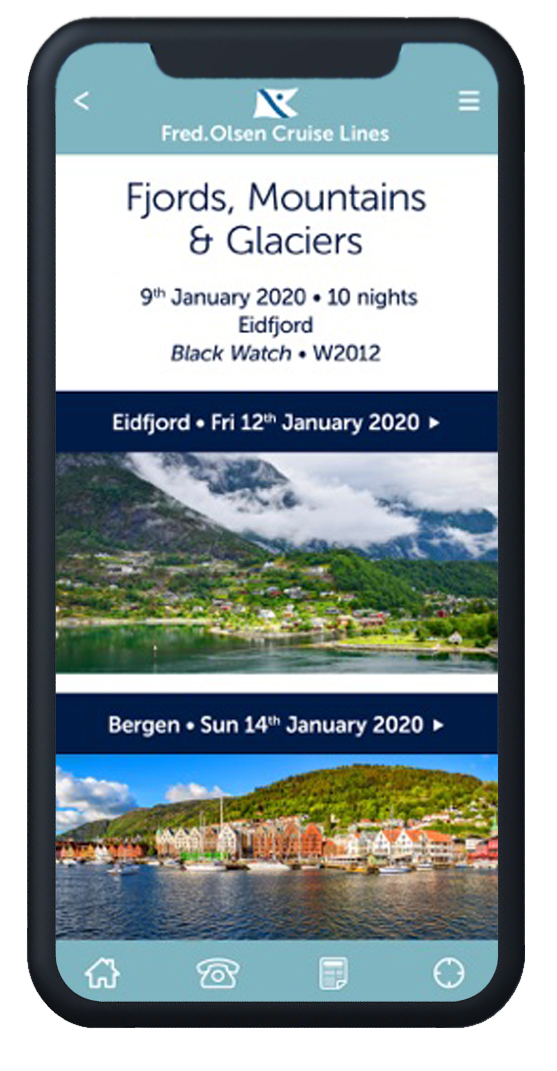
This year's report covers 14 ocean cruise apps. Three new entries — Fred. Olsen, Hurtigruten, and Virgin Voyages — joined the roster as cruise lines resumed operations and expanded their digital footprints following the pandemic slowdown.









App updates in 2022 reflect the willingness of cruise lines to tackle new challenges and continue to streamline and improve core features. Seabourn Source led with 29 updates, reflecting the pace of post-pandemic development. Updates spanned onboard operational efficiency, communication, guest experience, analytics, and health and safety.
Each app we analyzed contained a broad selection of features. To better compare and contrast their offerings, we broke them into categories: Common (almost all apps have this), Less Common (appearing in at least three but no more than half), and Stand-out (found in only one or two apps).
Features shared by the majority of apps reviewed.
Adopted by the majority of apps — most free. Despite its ubiquity, passenger reviews reveal inconsistent performance of what many now feel is an essential feature.
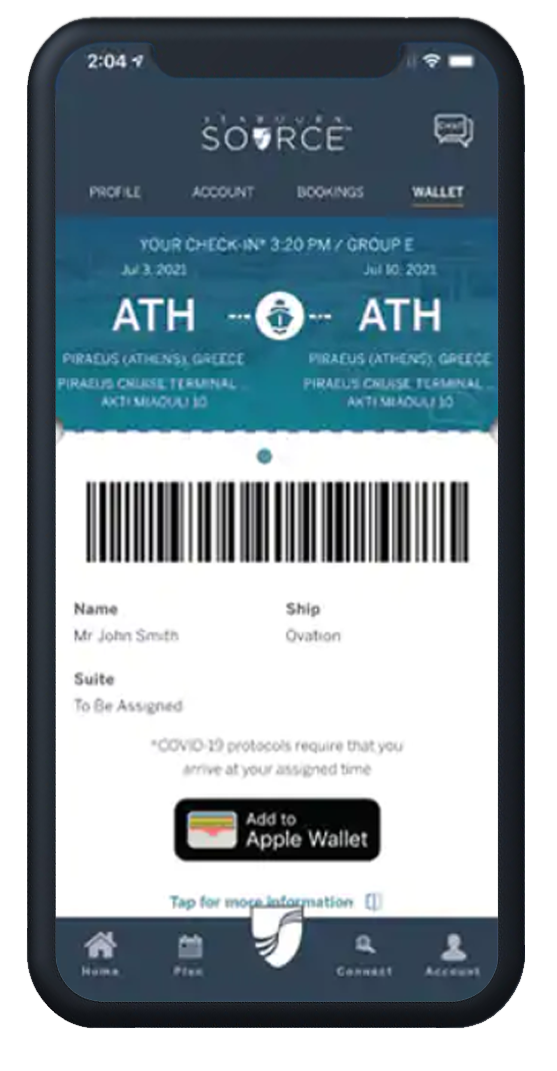
Pre-board document management, digital check-in, and mobile boarding passes to help passengers board more quickly.
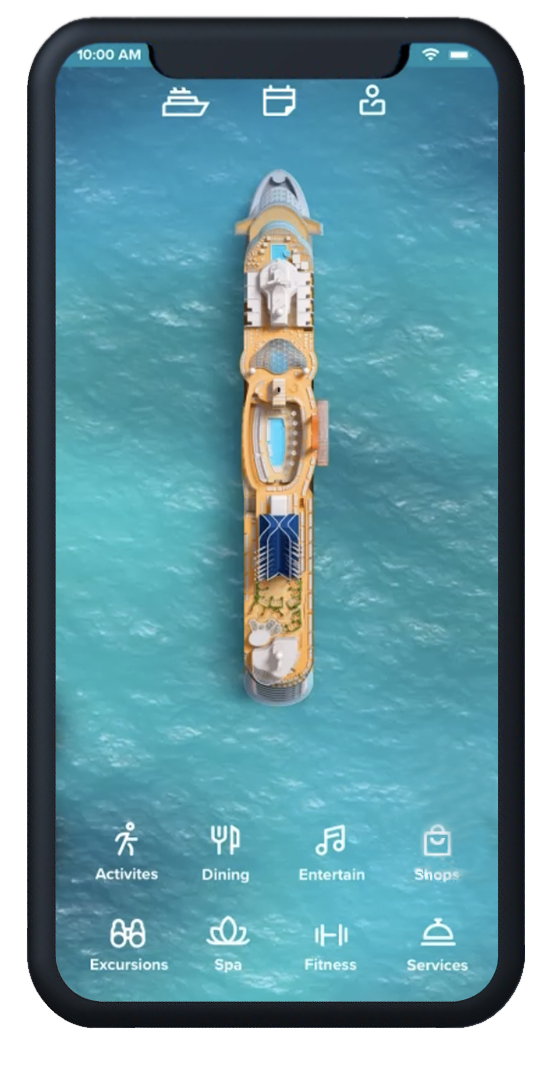
Deck plans are a ubiquitous feature and a critical guide for guests to navigate around cruise ships.
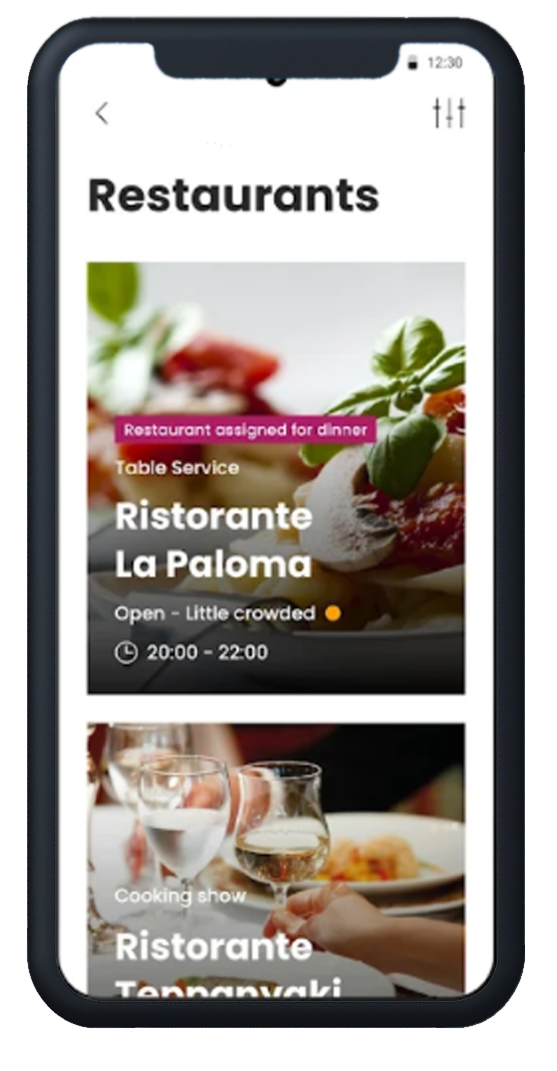
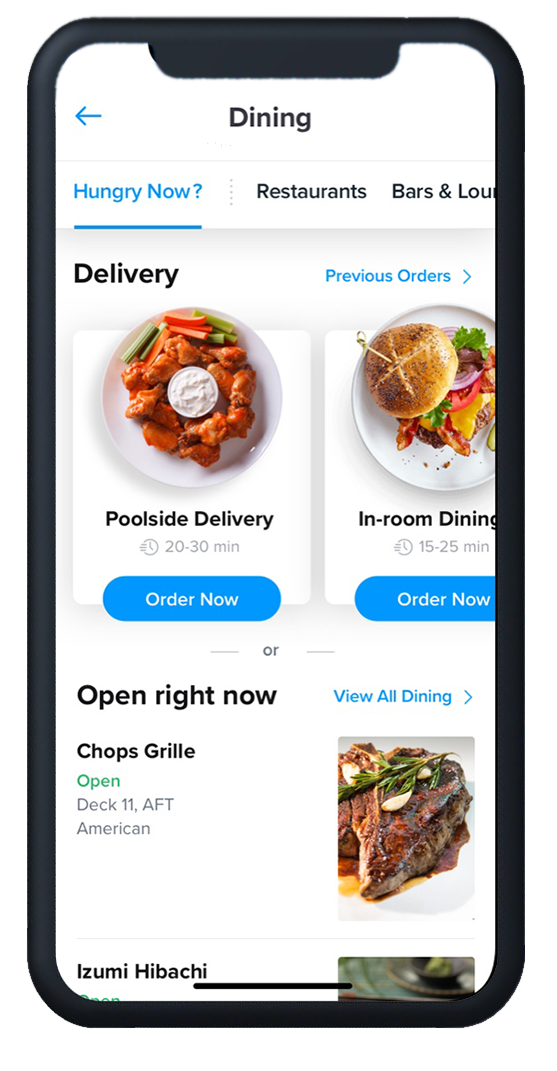
Every app has at least some information on dining options — hours, menus, images, locations, dress attire, and in most cases reservation management.
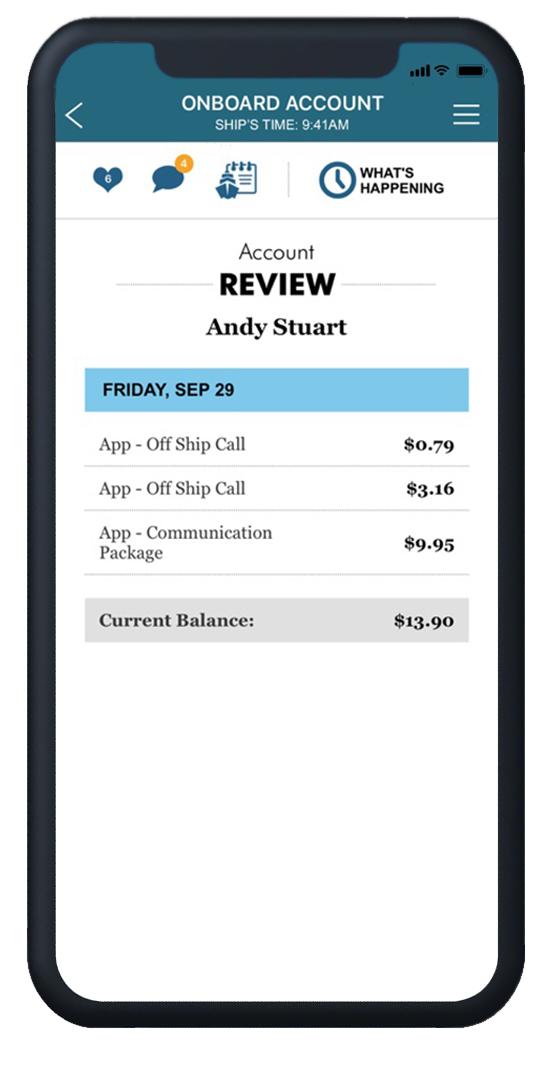
An itemized billing statement that updates when expenses are added. Allows passengers to view all charges regardless of who makes them.
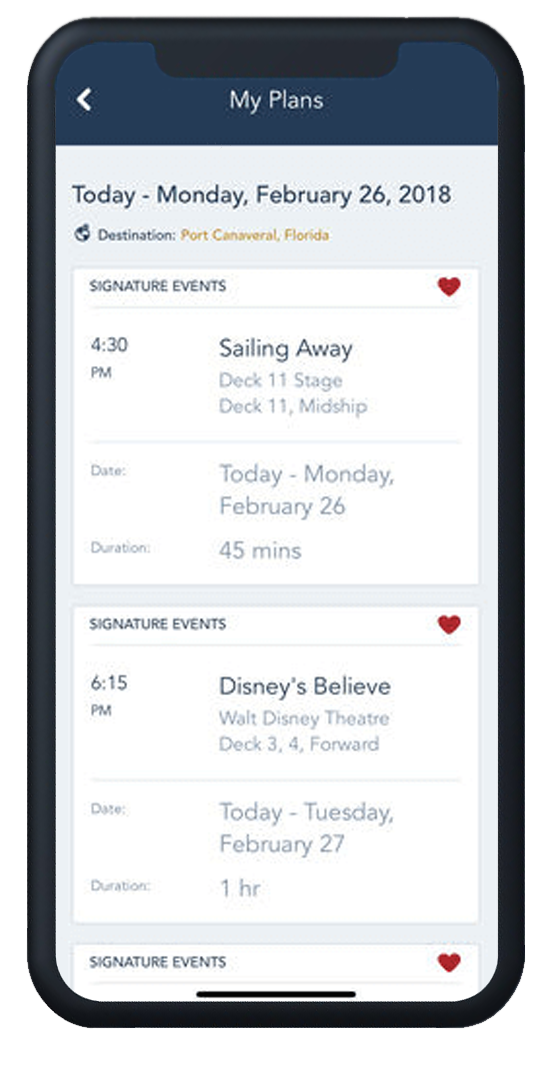
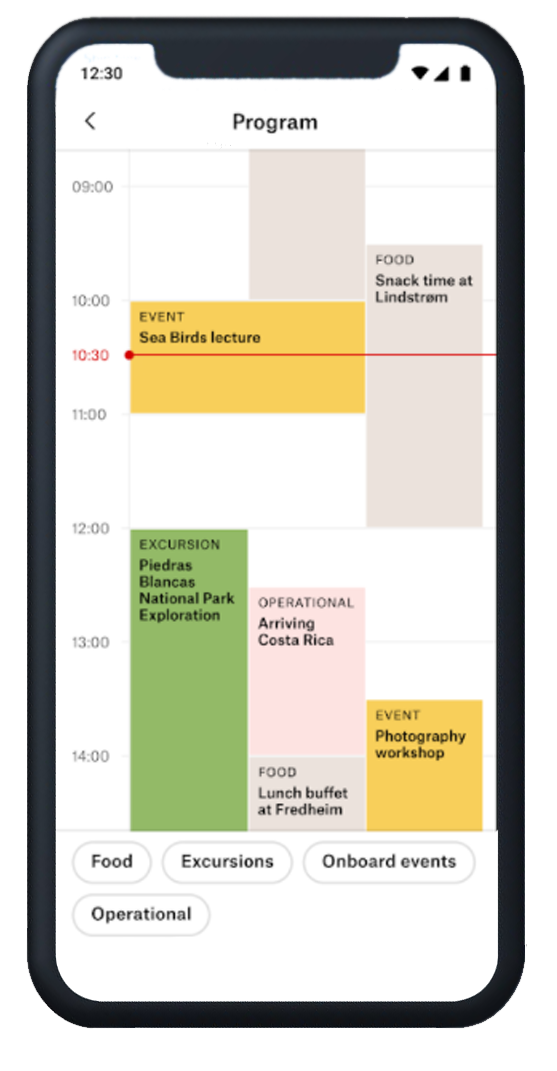
The guest's customized schedule. Once an activity has been favorited or booked, it appears on this calendar.
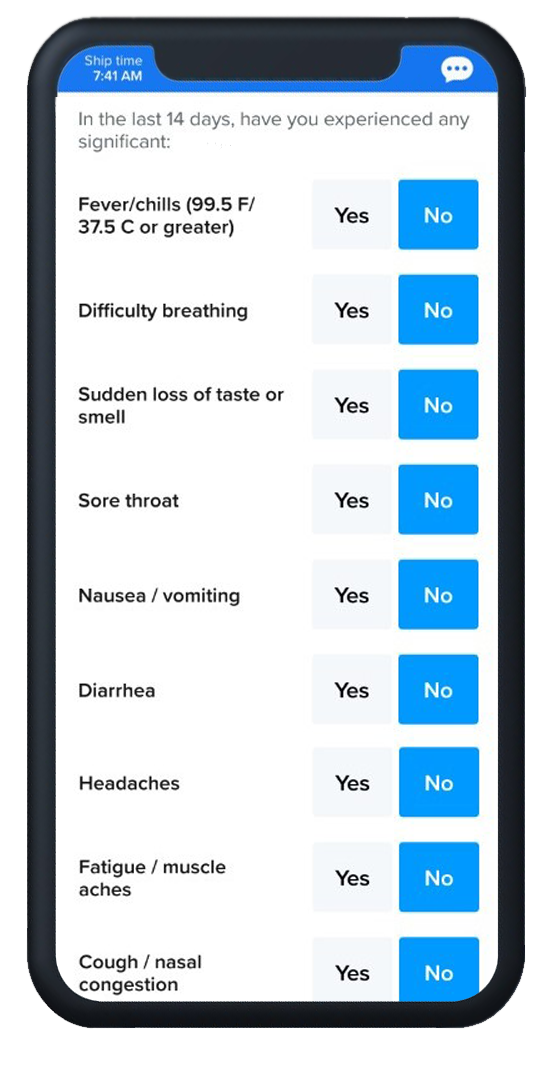
Almost every app features health questionnaires, with increasing numbers allowing passengers to upload COVID-19 vaccination records to streamline check-in.
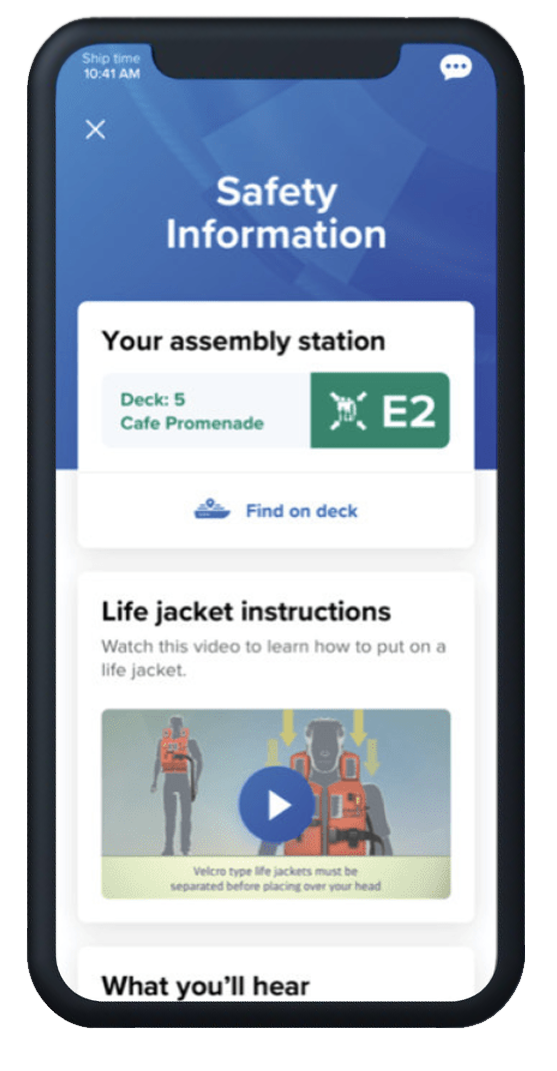
Most cruise lines now present safety information via video on stateroom TVs or mobile devices, requiring guests to check in at their assembly station prior to departure.
Most apps feature push notifications to update passengers on booked events, dining, spa reservations, excursions, folio changes, and chat messages.
The main stop when planning activities for each day. An event can usually be added, booked, or marked, then moves to the itinerary.
The vast majority of apps allow guests to both research and book excursions. Some apps also allow booking shoreside, prior to departure.
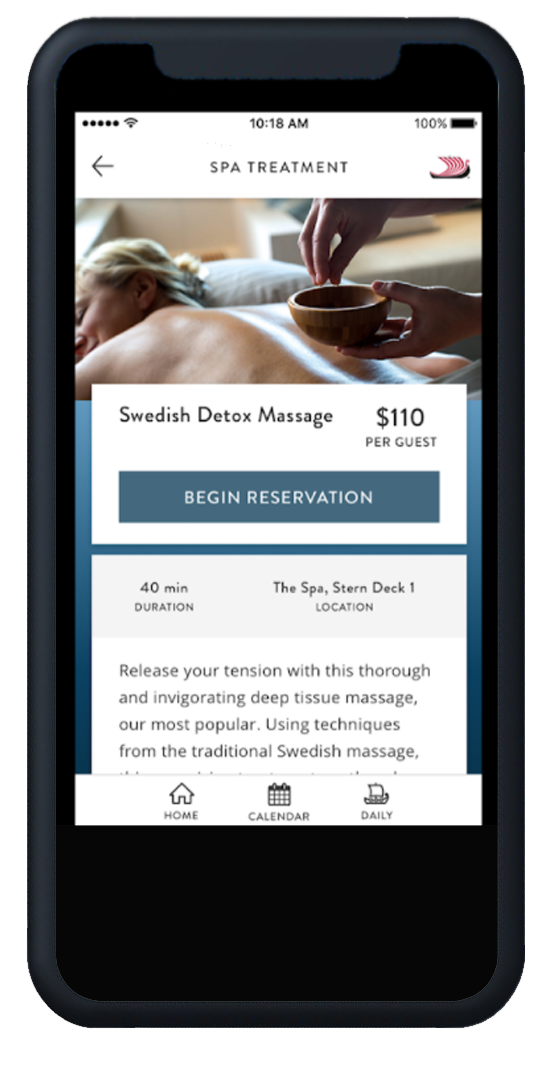
Most cruise lines offer some level of spa service booking. As with shore excursions, some apps allow guests to book shoreside as well.
Available in at least three but no more than half of apps.
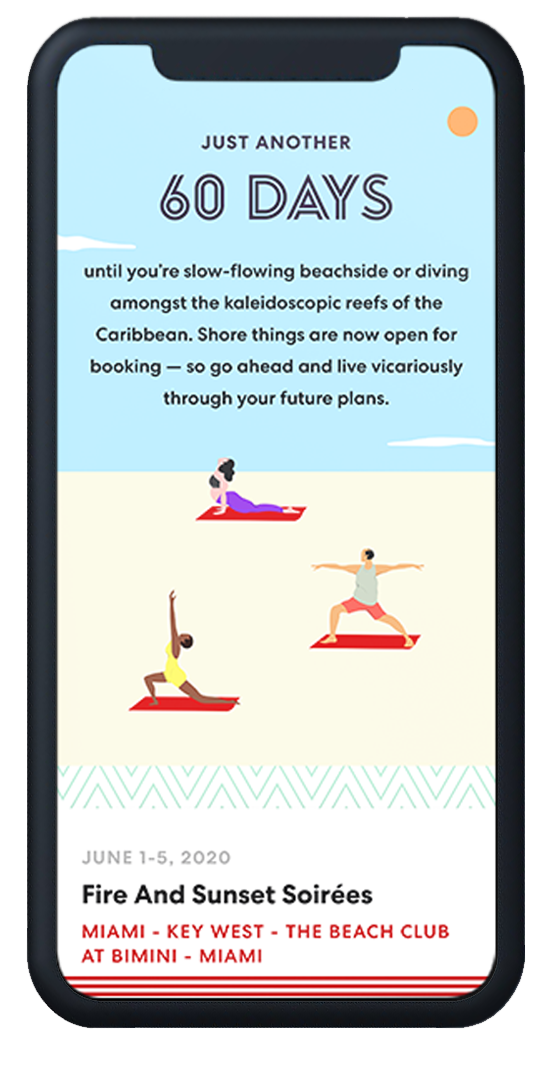
A pre-cruise countdown builds anticipation — some apps even allow users to share it with friends and family.
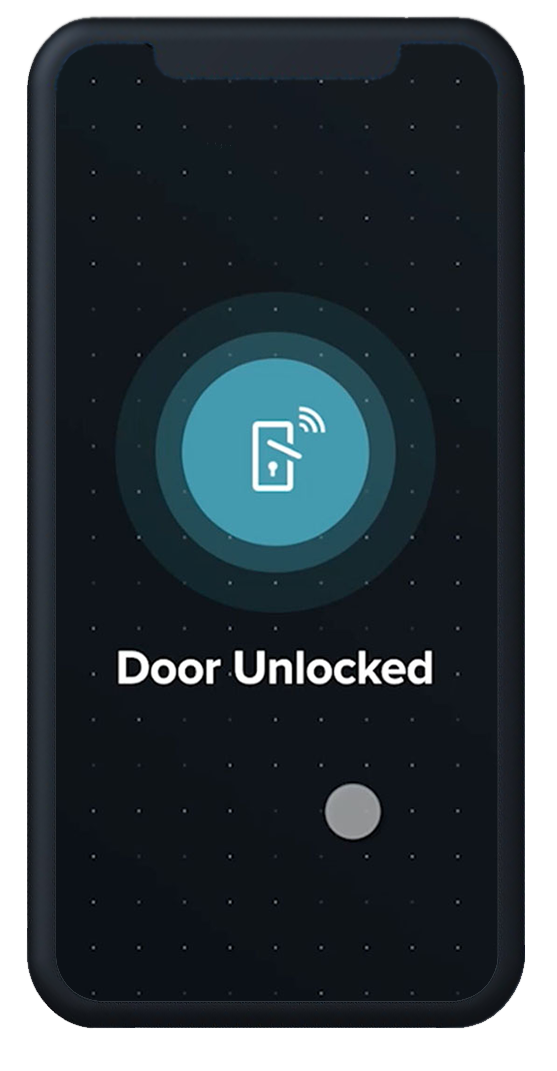
A few apps now allow guests to use their phone or a wearable to unlock cabin doors, eliminating the need to carry keycards.
Some apps allow guests to order food, beverages, and sundries for delivery to staterooms or current location; others enable ordering for pick-up only.
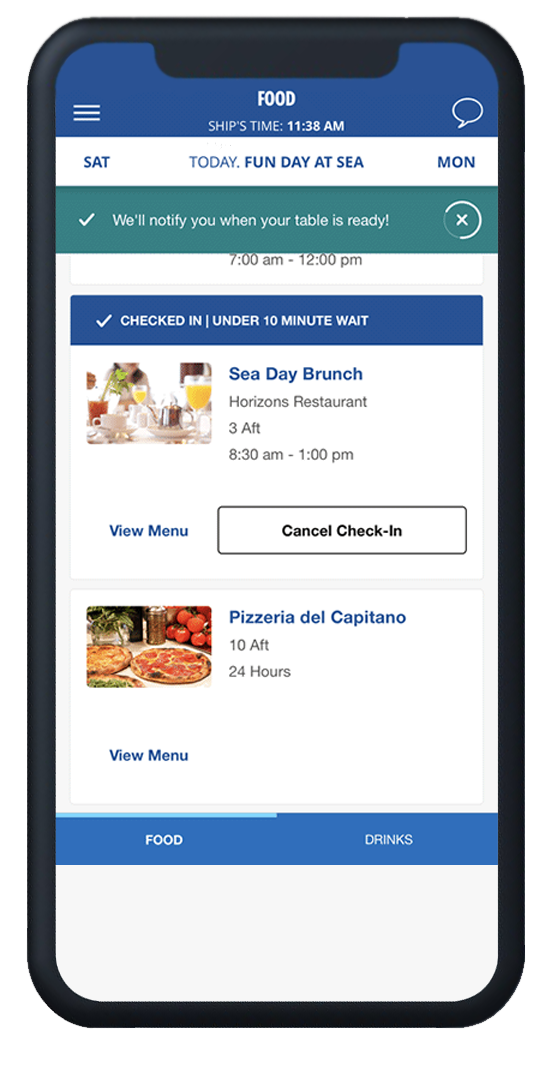
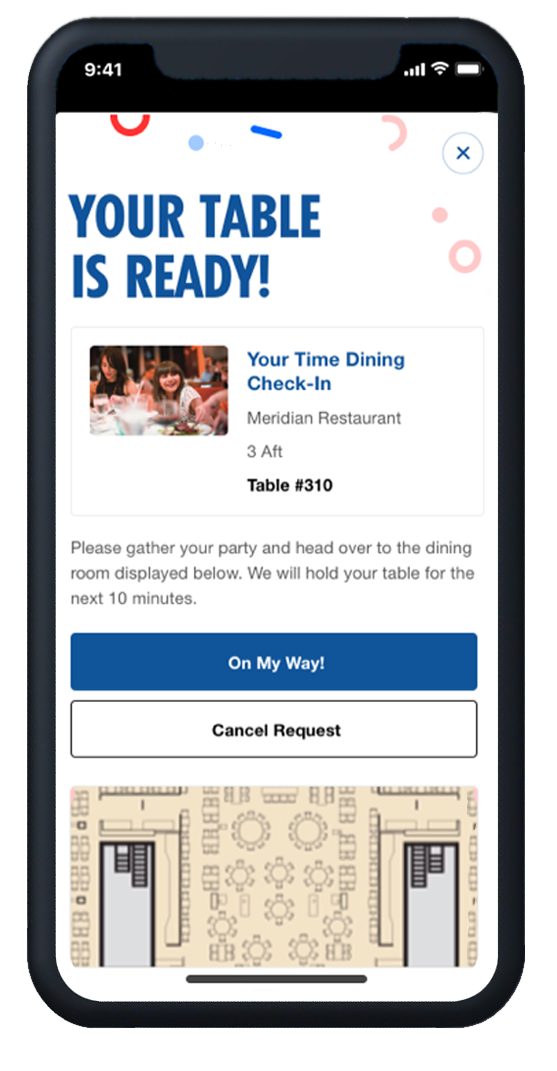
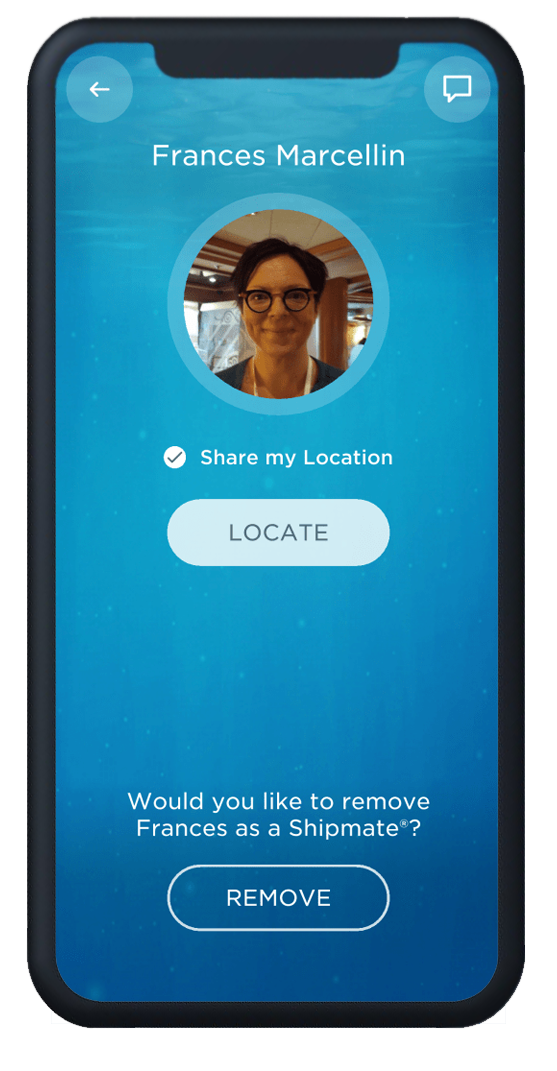
A few apps allow guests to queue and check in for entertainment, spa, and dining. Guests receive a notification when it's their turn, reducing long lines.
A couple of apps use BLE beacon systems to help guests find their way around the ship. Wearables also make it possible to keep track of family and friends.
Unique features found in only one or two apps.
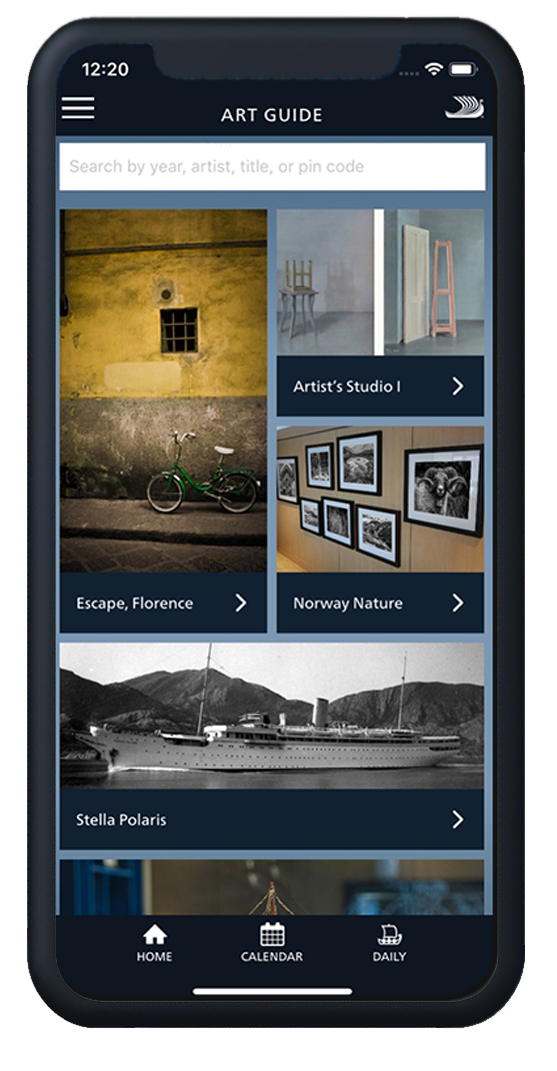
Viking Voyager includes an audio art guide. Guests can listen to clips about historical pieces, works of art, and different areas of the ships.
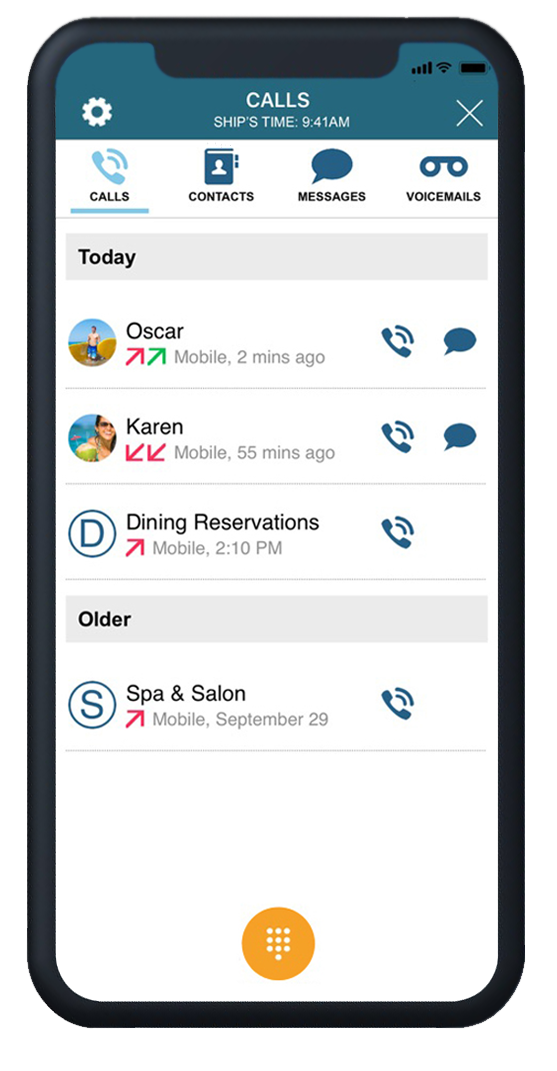
Along with a chat system, Cruise Norwegian allows guests to make unlimited calls to other passengers for a one-time fee of $9.95 USD, and calls home for $0.79/min.
A few guest-facing apps feature the cruise line's own channels and shows without requiring a supplemental app.
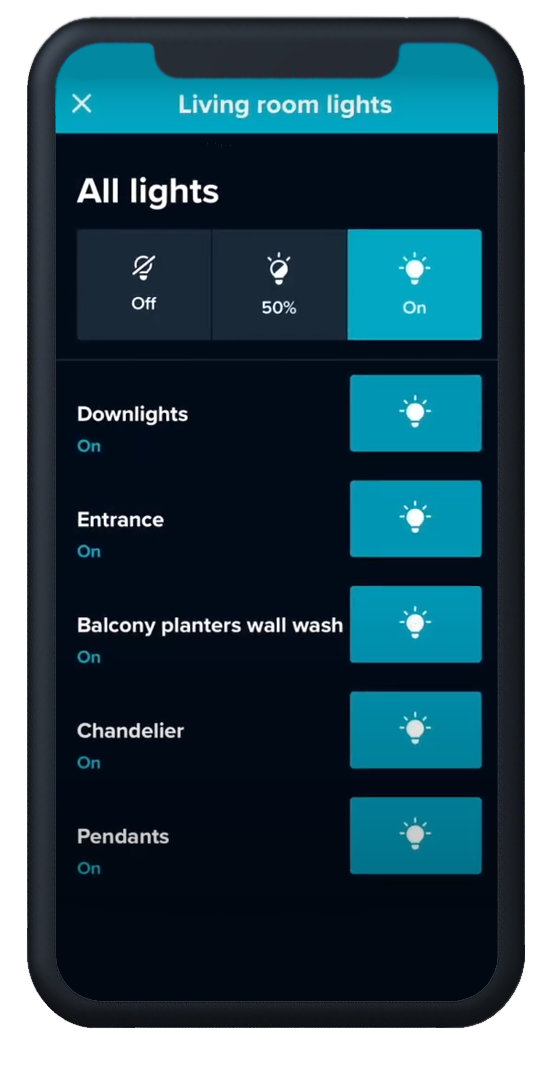
On some Celebrity ships, the app controls the TV, lighting, temperature, and shades from a single interface.
In the last four years, the technologies used to build cruise apps have greatly diversified. In 2019, almost all apps were predominantly native — written in Java or Kotlin for Android, and Objective-C or Swift for iOS. Today, the picture is more varied.
Two mobile apps are now using React Native as their core technology. React Native is an open-source, Facebook-supported technology that allows developers to use JavaScript to build a single codebase compiling to both Android and iOS. Two apps have also been built with Cordova, which allows developers to write code using standard web development tools (HTML5 and JavaScript) and run it in an app wrapper.
One new app for 2022 has been built using Xamarin, Microsoft's popular .NET cross-platform extension that allows up to 75% code sharing across Android, iOS, tvOS, watchOS, macOS, and Windows. Only one of the cruise applications investigated was built using Unity, primarily developed as a hybrid 3D gaming engine, which allows for more radical interface designs and a single codebase across iOS and Android.
Two React Native apps have switched to using the Hermes JavaScript engine. This engine moves more of the work done by an app to build time rather than run time — more of the app is pre-compiled, leading to faster load times and smaller download sizes.
Both Android and iOS now provide build tools that allow developers to dynamically create multiple versions of their software — different combinations of features, languages, and platforms. This results in smaller download sizes but creates significant complexity for analysis. The increasing adoption of these split APK systems was the most challenging new element of this year's research.
Accessibility features are continuing to appear in more of the most technologically forward apps in the industry. These features allow passengers with disabilities to use the apps more easily — including screen reader support, text-to-speech, image descriptions, and compatibility with assistive technologies. This is a welcome addition to the cruise industry and has often been a distant afterthought for most development teams.
Android Adaptive Icons made their first appearance in 2022 in some cruise apps. Adaptive Icons allow developers to upload their app icons in a number of layers — separating the background from the icon mark. This allows the operating system to apply standardized masks dynamically across different device manufacturers' home screen styles.
Cruise applications have an uncommon constraint: they must act differently based on the network the guest has joined — onboard vs. standard internet. An external settings file works by requesting a file from a specific domain containing different configuration flags when the ship's network is detected. This pattern of network-based configuration was found in many of the applications analyzed.
Our decompilation process surfaces the third-party libraries bundled into each app, revealing the technology stack choices cruise lines are making. Below are the most significant tools found in 2022, organized by category.
Found in 3+ apps. Virtual AI assistant platform now bundled in cruise apps as cruise lines experiment with virtual chat assistants. Requires robust onboard data infrastructure to answer guest queries effectively.
Found in 1 app. Open-source ML platform for edge-based machine learning models — enabling recommendations, image categorization, speech recognition, and smart bot systems directly on device.
Found in select apps. Native-level augmented reality tools from Apple (ARKit) and Google (ARCore) now spotted in the wild, enabling features like virtual x-ray vision, wayfinding, self-guided tours, and in-cabin assistance.
Found in 1 app. Marketing automation and customer engagement platform offering email, text, and in-app notifications triggered by scheduled events or API events. Primarily used for pre- and post-cruise messaging.
Found in 3 apps. Post-cruise flight information tracking. Combines PMS travel data with third-party flight status feeds, helping guests anticipate return travel plans and reducing guest services calls on debarkation days.
Found in 1 app. A carry-out ordering system: guests place an order in the app before arriving at a restaurant to pick it up, reducing queue times and eliminating wait for casual dining.
Found in select apps. An open-source extension to SQLite that adds 256-bit AES encryption — likely adopted in response to health data storage requirements during COVID-19 protocols.
Found in select apps. Guests sign up for overbooked events or venues in-app; notifications are sent when their turn arrives. Covers rock walls, restaurants, night clubs, and disembarkation.
Found in select apps. Google's modern image format providing 26% smaller lossless files vs. PNG and 25–34% smaller lossy files vs. JPEG — reducing app download sizes and improving load times.
Returned in 2022 after a previous removal. Business logic for cancellation policies is now implemented on the app side, preventing guests from cancelling reservations outside of policy windows.
Found in 1 app. An in-app wallet that stores payment information inside the mobile app itself, rather than relying solely on the OS-level payment wallet — an unusual step for cruise apps.
Found in 1 app. Google-maintained open-source Android media player supporting many more streaming standards than the built-in OS player, pointing to at least one cruise line adding streaming video to their app.
Found in 2 apps (full SDK). The leading provider of cabin door lock and gangway systems in the cruise industry. Two mobile apps now include the full SDK — the first step toward mobile room key rollout.
Found in most apps. Still the most popular crash and error reporting tool in the industry, unifying crash reporting and user analytics (device types, demographics, most-used sections) in one dashboard.
New in 2022. Crash and bug monitoring tool that pinpoints the exact line of code causing a crash. Also allows users to report bugs directly through the app, bundled with screenshots or screen recordings.
New in 2022. Advanced crash monitoring with stack tracing built in. Sentry can also monitor function performance, allowing developers to optimize apps based on real usage data.
New in 2022. Application performance monitoring with an on-premises solution — unusual for this category, and ideal for cruise ships operating in low-connectivity environments.
Found in select apps. The primary card scanning library in the industry. BlinkID and BlinkCard allow developers to capture ID documents and credit card information from device camera scans.
Found in multiple apps. An HTTP proxy that allows developers to proxy onto the ship to debug issues on real devices. Finding Charles SSL certificates in production builds is a security concern — see Security tab.
Found in select apps. Sourcetoad's suite of onboard and shoreside software modules covering iTV, signage, captive portal, mobile app management, IoT, device management, cabin access, and notifications.
Found in 2 apps. Open-source enterprise CMS used to deliver marketing content and images to the app, and likely as an EFSS tool to coordinate shoreside digital assets for synchronization to onboard systems.
Found in 1 app. Platform technology that analyzes feedback from social media and review sites. Their mobile feedback tools are embedded in the app to collect in-cruise guest sentiment.
Found in select apps. Provides telephony, device tracking, and health-related SDKs for cruise mobile development. Expanded during COVID-19 to include innovative health and safety offerings.
Found in select apps. Google-supported open-source library for viewing, printing, searching, and filling PDF forms. Likely used to handle PDF documents (tickets, medical forms) in an offline environment.
Found in many apps. Java bytecode obfuscation and optimization tool that makes it significantly harder to reverse-engineer the source code from a compiled APK.
Our decompilation process surfaces more than tool usage — it reveals security practices (and lapses) embedded in production builds. The findings below were consistent across multiple apps in 2022.
Many of the apps we researched included test — or "shim" — data inside of them. This is essentially a text file containing a fake passenger's details, calendar, folio, restaurant menus, spa treatments, and shore excursion offerings. This data is included so Apple (or other testers) can test the app without connecting to a PMS or shoreside test database. The risk is that it could expose vectors of attack for hackers by providing insight into other configuration flags and internal API structures.
About half of the apps we investigated contained clear-text usernames and easily visible passwords embedded in the APK. These credentials are intended for Apple reviewers to log in with "onboard mode" activated, since most cruise apps are designed to only work shipboard and testers need a way to trigger that mode with fake credentials. The risk: someone other than approved testers could log into the apps without paying for a ticket to board the ship.
We discovered a number of applications that contain a Charles SSL certificate, suggesting multiple cruise lines use this type of live debugging on production ships. Leaving debugging proxy certificates in production builds means traffic on those ships could potentially be intercepted by anyone with a copy of the certificate. This is a development convenience that becomes a security liability when not removed before release.
The full ASSA ABLOY API documentation was found bundled inside at least one production app. Shipping internal API documentation provides detailed insight into the integration's architecture and endpoint structure — information that should remain in development environments only.
A note on scope. Our analysis is based on static reverse engineering of Android APKs. We do not perform dynamic testing, network-level attacks, or any access beyond the publicly available binary. The findings above represent configuration and bundling choices, not active exploits. We report them to encourage best practices in production release processes.
Last year's report made five predictions about where cruise app development would go. Here's how each one played out.
We predicted more cruise lines would shift away from printed materials. Several lines have now gone close to totally paperless, and a large number of onboard menus have moved from paper to QR codes. Paper-only has quickly become the minority — though some lines still distribute printed tickets and daily newsletters.
We observed that most apps focused solely on the onboard experience. In 2022, more cruise lines rolled out pre-cruise features like excursion booking, meal reservations, and cruise countdowns. The post-cruise area remains largely unexplored.
We predicted in-person mustering would give way to fully digital versions. Although many apps now offer digital mustering features, very few are fully digital — most are hybrid solutions that still require an in-person component.
We predicted local push systems from Apple and Google would expand across the industry. Chat features have become standardized and notifications have improved, but only one cruise line has incorporated true local push notifications. Notifications are less reliable than they could be.
We predicted ongoing focus on pandemic-related health measures. A majority of apps now include pre-arrival features for uploading proof of vaccination, completing health and safety questionnaires, and acknowledging daily COVID-19 test requirements.
2022 has been a year of interesting innovations and challenges. Cruise lines appear willing to take on new and interesting challenges, and we predict this will continue into 2023. As core expected features stabilize across brands, development departments and agencies will focus on niche features for their particular demographic or interesting tools for competitive advantage.
Surprisingly, there are still a few notable cruise lines missing from the app stores — particularly lines with older passenger demographics. The world has changed to a point where we anticipate at least two new apps to examine in next year's report.
Given the increasing number of mobile technologies available, we predict that at least one or two apps will be completely rewritten from the ground up. Constant updates often lead to large amounts of technical debt, and new technology offerings may make it worthwhile to start fresh on new platforms.
While almost every app added a health survey of some sort in the last year, additional development will continue. The COVID-19 pandemic is not over, and making passengers feel safe, increasing reaction speeds to outbreaks, and generating more data about how to cope are all priorities for development and operational staff.
We are doubling down on our prediction that booked-not-departed and post-cruise features will be added. Enhancing the guest experience in native app environments makes mobile apps stickier and ensures guests pre-download them. Post-cruise features also open new channels for sales and marketing communications.
Onboard printing of daily newsletters and tickets is not only a cost center, but a health and safety issue. Moving these items to the digital realm — or requiring an opt-in from guests — could save cruise lines millions of dollars in paper, ink, and fuel. Providing opt-in solutions for guests who prefer paper can reduce friction while still driving the transition.
Spotting large trends in the cruise app market has become increasingly difficult this year. 2019 saw many lines launching development initiatives to build common features. 2020 saw development drop significantly as investment was reduced in uncertain times. 2021 was the year of adding touchless systems and medical integrations. 2022 has been a year of interesting innovations and challenges — with more in common with 2018 than with 2021.
COVID-19 is still a driving force in new development, but it is no longer the only driving force. As with many industries, the pandemic has only increased the speed of digital initiative.
While app technologies have diversified and improved, many of the underlying systems appear unchanged — no new development players were spotted, nor were there any new CMS platforms found. This may change over the next year, but for now we know that more change is occurring at the app development level than at the marketing department level.
As core expected features stabilize across brands, development departments and agencies will focus on niche features for their particular demographic, or interesting tools for competitive advantage. We can't wait for what will be a fascinating year of continued modernization in an increasingly diverse set of cruise app offerings.
Get in touch